
Can Dogs Eat Butternut Squash? Preparation, Portions & Safety
Table of Contents
- Is Butternut Squash Good for Dogs?
- How to Prepare Butternut Squash for Your Dog
- Can Dogs Eat Raw Butternut Squash?
- Can Dogs Have Frozen or Canned Butternut Squash?
- How Much Butternut Squash Can a Dog Eat?
- Does Butternut Squash Help With Constipation or Diarrhea?
- Butternut Squash, Pumpkin or Sweet Potato?
- Can Butternut Squash Replace Part of a Homemade Dog Food Recipe?
- Frequently Asked Questions About Butternut Squash for Dogs
Yes, dogs can eat butternut squash when it is prepared plainly and offered in small amounts. Cook it until soft, remove the skin, seeds and stringy center, and serve it without seasoning, sauces or added fat.
Think of squash as an occasional treat or small food topper, rather than a replacement for your dog’s complete and balanced meals. Your dog’s health, usual diet and tolerance for new foods matter when deciding whether to offer it.
Is Butternut Squash Good for Dogs?
Butternut squash contains fiber, water and nutrients such as beta-carotene. Some dogs enjoy its soft texture and naturally sweet flavor.
However, a dog eating an appropriate complete and balanced diet does not need squash to fill nutritional gaps. Adding it does not guarantee a healthier coat, better digestion or a longer life.
Its most practical role is as a small, plainly prepared extra that your dog enjoys and tolerates. The American Kennel Club’s guidance on squash includes butternut among the varieties dogs can eat.
How to Prepare Butternut Squash for Your Dog
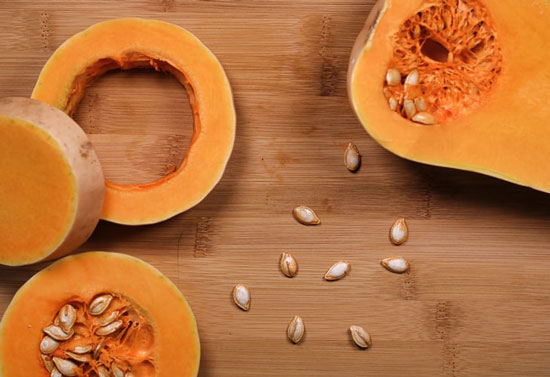
- Wash and prepare the squash: Remove the tough skin, seeds and stringy center.
- Cook it plainly: Steam, boil or bake the flesh until it is soft. Keep your dog’s portion separate from seasoned dishes.
- Let it cool: Check that it is cool enough to eat before serving.
- Adjust the texture: Mash it or cut it into small, soft pieces appropriate for your dog.
- Offer a small taste: Introduce it separately from other new foods so you can watch how your dog responds.
There is no need to add butter, coconut oil, olive oil, salt or sugar. Avoid squash prepared with onion, garlic or rich sauces.
Supervise your dog while eating, especially when offering an unfamiliar food or texture.
Can Dogs Eat Raw Butternut Squash?
Cooked squash is the better choice. Raw butternut squash is hard and fibrous, making it more difficult to chew and digest. Large pieces, skin and discarded preparation scraps are not suitable treats.
Keep the peel, seeds and uncooked chunks out of reach while cooking, and secure the rubbish afterward.
Can Dogs Have Frozen or Canned Butternut Squash?
Frozen or canned squash is not automatically unsuitable. Read the ingredients and preparation instructions rather than judging it only by how it is packaged.
- Frozen squash: Choose plain squash without seasoning or sauce. Cook it until soft and let it cool before serving.
- Canned squash: Look for plain, unseasoned squash without added salt, sugar or other ingredients.
- Prepared dishes: Do not assume squash soup, seasoned puree, casseroles or pie filling are appropriate for your dog.
If you are unsure about an ingredient, leave the dish for the people at the table and choose a familiar dog treat instead.
How Much Butternut Squash Can a Dog Eat?
Start with a small taste rather than a serving spoonful. A larger dog does not necessarily need a large portion, and digestive tolerance varies between individuals.
The World Small Animal Veterinary Association recommends that treats provide no more than 10% of a dog’s daily calories. That allowance includes all treats and extras combined, not squash alone. See WSAVA’s guide to feeding treats.
The 10% limit is a ceiling, not a target. Your dog may need less, particularly when following a weight-management plan or another prescribed diet.
Consider these factors before adding squash:
- Your dog’s daily calorie needs and body condition.
- Other treats, chews and food toppers already being offered.
- Any history of digestive upset or difficulty tolerating new foods.
- Medical conditions or dietary restrictions.
Ask your veterinarian for an appropriate portion if you want to offer squash regularly or your dog follows a special diet. Avoid adding it simply to help an underweight dog gain weight; unexplained weight loss needs veterinary assessment.
Does Butternut Squash Help With Constipation or Diarrhea?
Squash contains fiber, which can affect stool consistency. That does not make it a reliable home treatment for constipation or diarrhea.
Adding too much or introducing it abruptly may cause digestive upset. If your dog develops gas, loose stools or other changes after eating squash, stop offering it and seek veterinary advice if the problem persists or your dog seems unwell.
Do not keep increasing squash to try to resolve difficulty passing stool. Repeated straining, vomiting, blood in the stool or a dog who seems painful or lethargic warrants prompt veterinary advice.
Butternut Squash, Pumpkin or Sweet Potato?
Plain, properly prepared butternut squash, pumpkin and sweet potato can all be offered to some dogs in small amounts. There is no single best choice for every dog.
Choose based on what your dog tolerates, how the food is prepared and how it fits into the overall diet. Keep portions modest and introduce one new food at a time.
These ingredients are not automatically interchangeable in a veterinary-formulated diet. Different ingredients and amounts change the recipe’s nutrient and calorie content.
Can Butternut Squash Replace Part of a Homemade Dog Food Recipe?
Combining squash with meat and rice does not automatically create a complete and balanced meal. A recipe can contain wholesome ingredients and still lack essential nutrients or provide them in unsuitable proportions.
If you want to prepare your dog’s main meals at home, work with your veterinarian and a board-certified veterinary nutritionist to formulate an appropriate recipe. Follow that recipe as written rather than substituting squash for another ingredient without checking.
The American Animal Hospital Association’s guidance on home-prepared diets explains why formulation and following the recipe matter.
For most families simply sharing a little squash, the easier approach is to keep it as a small extra alongside the dog’s usual complete and balanced food.
Frequently Asked Questions About Butternut Squash for Dogs
Can dogs eat butternut squash skin?
Remove the tough skin before serving. Offer only the soft, plainly cooked flesh in a texture your dog can comfortably manage.
Should I remove the seeds?
Yes. Remove the seeds and stringy center when preparing your dog’s portion. Keep the discarded scraps out of reach.
Can dogs eat butternut squash every day?
Dogs do not need squash every day. If you want to offer it regularly, check that it suits your dog’s diet and stays within the total allowance for treats and extras. Ask your veterinarian for guidance when medical conditions or a prescribed diet are involved.
Is butternut squash a laxative for dogs?
It should not be used as a laxative. Its fiber may affect stools, but the response varies. Constipation or repeated straining needs veterinary advice rather than progressively larger portions of squash.
Can I give my dog squash from our dinner?
Only set aside a portion that is plainly cooked and free of seasoning, sauces and added fat. Squash served with onion, garlic or other unsuitable ingredients should not be shared.
Does my dog need squash for vitamins?
A dog eating an appropriate complete and balanced diet should receive the nutrients they need from that diet. Squash can be an optional treat, but it is not necessary as a vitamin supplement.