
8 Ways to Memorialize Your Loved Pet
Table of Contents
Losing a beloved pet can leave a huge space in your life. There is no single right way to grieve or remember them, but a keepsake, a shared story or a meaningful gesture may offer comfort when you feel ready.
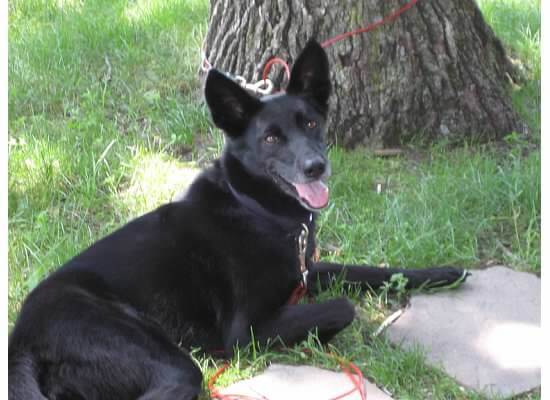
My family’s dog, Katie, a black Australian kelpie and greyhound mix, passed away in April. Every time I went to my parents’ home, I felt like I could hear the jangle of her tags and wished she could sleep with me for one more night. We had so many good memories that I wanted to find a way to commemorate her.
A trip to Edinburgh, Scotland, helped inspire me. While visiting Edinburgh Castle, I saw its dog cemetery. It made me think about the different ways we honor the animals who have shared our lives—and how I wanted to remember Katie.
Here are eight ideas to consider. Choose whatever feels meaningful to you, and give yourself permission to take your time.
1. Choose a Small Statue or Figurine
At my house, we have little ceramic statues representing the four pets we have lost: three cats and Katie. When a new pet joins our family, we look for a small statue that resembles them.
Katie’s collar now rests around her miniature likeness. For us, these statues represent each animal’s lasting place in our family.
A figurine does not need to be custom-made or expensive to feel special. You might choose one that reminds you of your pet’s appearance, personality or favorite pose.
2. Keep a Paw Print
When I was young, my dad extended our concrete patio, and my brothers and I made handprints in the wet concrete. Remembering those prints made me think about how lovely it would be to have a keepsake of a pet’s paw.
A clay or ink paw print is something you can display, store safely or take with you when you move. If your pet is still with you, use a product intended for pet paw prints, follow its instructions and keep the experience gentle and voluntary.
After a loss, you can ask your veterinary team or pet aftercare provider whether paw-print keepsakes are available. There is no obligation to choose one if it does not feel right for you.
3. Create a Portrait
A favorite photograph can become the starting point for a painting, drawing or other portrait. You might choose a realistic likeness, a colorful interpretation or something playful that captures your pet’s personality.
You can commission an artist or make something yourself. The meaning comes from the memories it holds, rather than how polished the finished piece looks.
4. Make a Photo Book
Many of us have more photographs of our pets than almost anything else. Gathering some of those pictures into a book can give you a place to revisit their life with you.
My mum makes photo books for me and my brothers, and I love having a physical collection of those memories. A pet’s album could include favorite adventures, ordinary moments at home and the little habits that made them unmistakably themselves.
Alongside the photographs, you could write stories or invite family and friends to contribute their own memories. If looking through pictures feels too painful right now, you can save this project for another time.
5. Put Together a Shadow Box
A shadow box can hold a collar, an ID tag, a favorite small toy or other reminders of your pet. You might also include a photograph, a paw print or a handwritten memory.
Creating one together can give family members a chance to share stories, but it can also be a quiet personal project.
You do not have to display your pet’s belongings or decide what to keep immediately. A simple memory box stored somewhere safe is another option.
6. Create a Memorial Place
We chose to bury Katie in a pet cemetery that we used to pass on our runs and walks. Because it was connected to our time together, it felt like a meaningful place to remember her.
If you are considering burial, speak with your veterinarian or pet aftercare provider about your options. Before arranging a burial at home, check local requirements and any property restrictions.
A memorial place does not have to be a burial site. You could dedicate a tree, create a flower garden or place a memorial stone somewhere meaningful. If you may move, a potted plant or portable keepsake can come with you.
7. Choose or Personalize an Urn
If you choose cremation and have your pet’s ashes returned, an urn can provide a lasting place to keep them. Your veterinary team or aftercare provider can explain the available arrangements.
You might choose an urn with your pet’s name, add a photograph nearby or create a small display with their collar and other keepsakes.
Some people prefer to keep an urn private, while others find comfort in displaying it. Choose an arrangement that feels right for you.
8. Help Other Animals in Your Pet’s Memory

A donation to a shelter, rescue group or another animal charity can be a meaningful tribute. You could also ask a local organization about its current needs or opportunities to volunteer.
We rescued Katie, and fostering dogs while they wait for their next homes has been rewarding for me. Helping them has offered comfort when I miss her.
That is my experience, but everyone’s needs are different. You do not need to foster, adopt or take on another responsibility to honor your pet. A small gesture—or simply remembering them—is enough.
However you choose to remember your companion, there is no deadline and no single right approach. You can create something now, return to an idea later or keep your memories in your own way.
What keepsakes or traditions have helped you remember a treasured pet?