
How To Care For Your Nylon Dog Collar
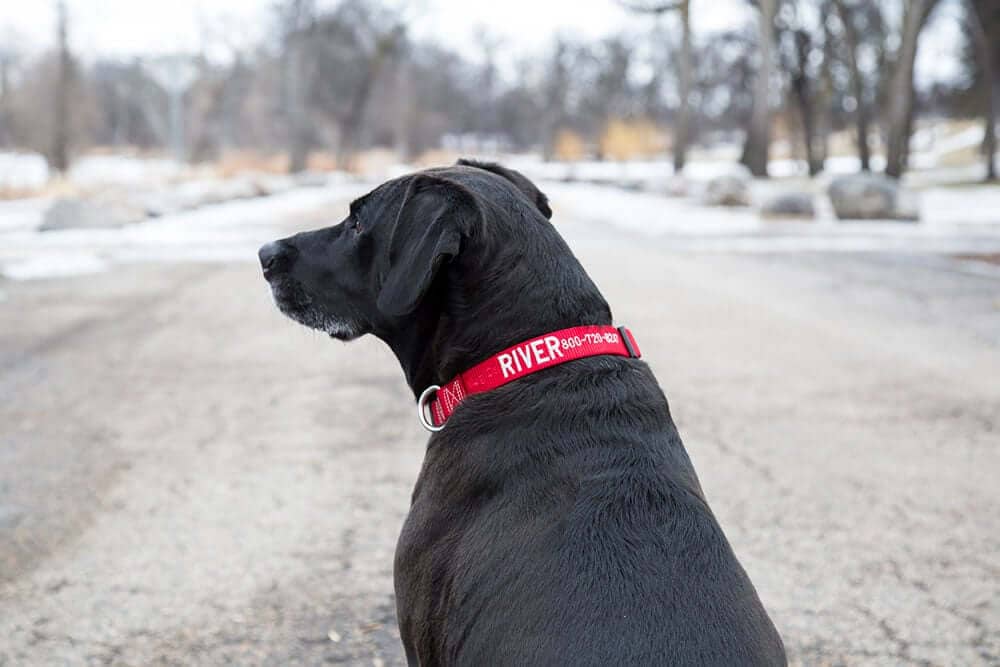
Nylon dog collars are pretty easy to take care of, which is one reason they've been such a popular everyday collar material for so long. But like any piece of dog gear, they eventually get dirty and may develop a few signs of wear.
Fortunately, most nylon collars don't need anything complicated. Here's how we recommend cleaning and caring for them at dogIDs.
How to Wash a Nylon Dog Collar
If your dog finds something especially interesting to roll in, sometimes the collar needs a bath just as badly as the dog does.
For a quick cleaning, you can hand wash a nylon collar with mild dish soap and water. Work the soap into the nylon webbing, rinse it thoroughly and lay the collar flat to air dry.
Nylon collars can also be washed in a washing machine. We recommend placing the collar inside a delicates garment bag before washing it. The bag helps keep the collar and its hardware contained while it's moving around in the machine.
After washing, let the collar air dry rather than putting it in the dryer.
What About Fraying and Nylon "Fuzzies"?
After a nylon collar has been worn for a while, you may notice small fuzzy fibers developing along the edges of the webbing. Around our shop, we just call them "fuzzies."
Minor fuzzies don't necessarily mean the collar is worn out. Nylon is a synthetic material, so small fuzzy fibers can be carefully melted back with heat.
One way we do this is by quickly passing the flame from a lighter along the fuzzy edge of the nylon. The important word is quickly. You aren't trying to heat the collar or burn the webbing—you're just using enough heat to melt those tiny loose fibers.
If you're not comfortable working with an open flame, simply trim loose fibers carefully instead.
Know the Difference Between Fuzzies and Actual Wear
A few fuzzy fibers along the edge are one thing. Damage to the structure of the collar is something different.
Periodically look over the nylon webbing, stitching and hardware while you're handling the collar. If the webbing is deeply cut or badly frayed, stitching is coming apart, or any of the hardware is damaged, it's time to replace the collar rather than trying to repair it cosmetically.
Nylon Is Meant to Be Used
We don't expect a dog collar that's actually being worn to look brand new forever. Dirt washes out, minor fuzzies can usually be cleaned up, and a little normal wear is simply evidence that the collar is doing its job.
With basic cleaning and an occasional inspection, a good nylon collar is pretty easy to live with.
You can see our current nylon dog collars here.