
9 Ways to Help Prevent Losing Your Dog
Table of Contents
- 9 Ways to Help Prevent Losing Your Dog
- 1. Practice coming when called.
- 2. Teach comfortable, loose-leash walking.
- 3. Microchip your dog and keep the registration current.
- 4. Use visible identification with a current phone number.
- 5. Check gates, doors and fencing.
- 6. Create a barrier around busy doorways.
- 7. Choose properly fitted walking equipment.
- 8. Plan ahead for visitors when you are away.
- 9. Provide exercise and enrichment in secure settings.
The pet ID tags and collars at dogIDs are designed to help dogs get home safely. As a dog parent, you can also take precautions to reduce the chance of your dog getting lost. Here are nine ways to help keep your best friend Known and Safely Home.
9 Ways to Help Prevent Losing Your Dog
1. Practice coming when called.
Practice recall in a quiet, enclosed space, rewarding your dog generously when they come to you. Gradually introduce distractions while keeping practice manageable and positive.
A reliable recall is useful, but no training eliminates the possibility that a dog will become frightened or chase something. Use secure fencing and a leash where needed rather than relying on recall alone.
2. Teach comfortable, loose-leash walking.
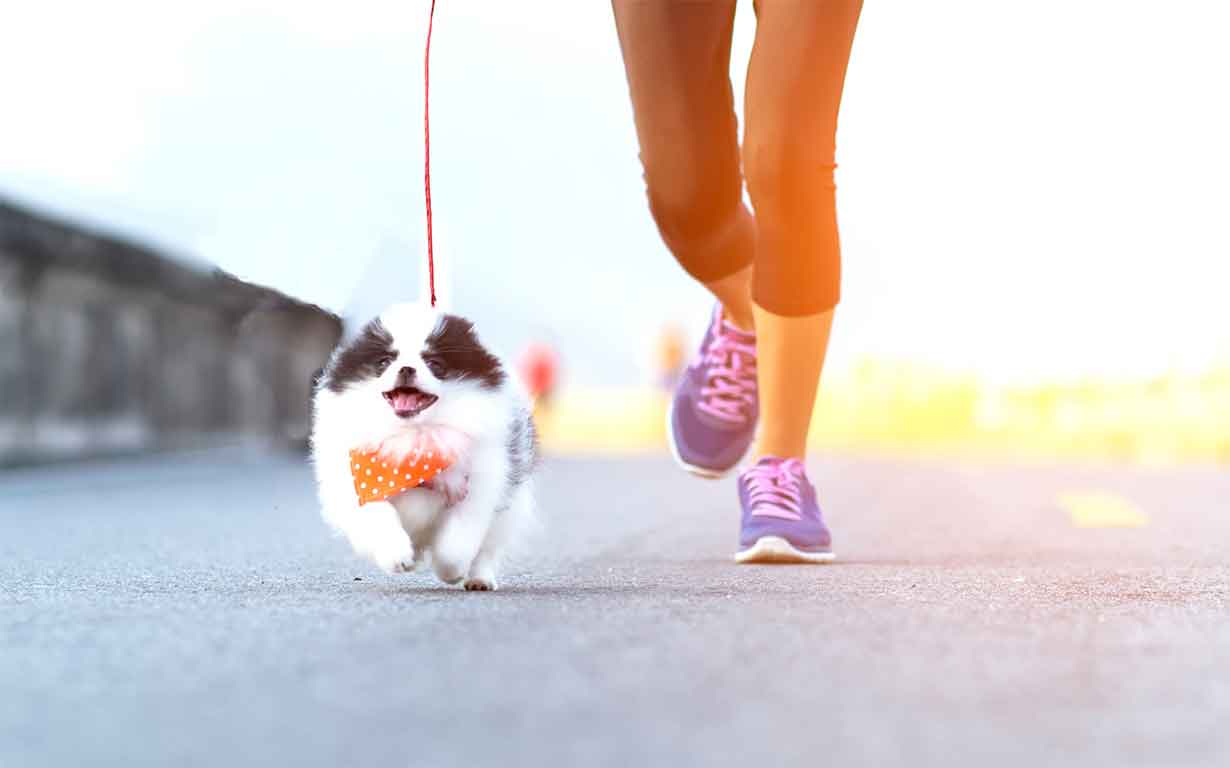
Reward your dog for walking near you without pulling. Practice at a comfortable distance from distractions such as other dogs, runners, wildlife and traffic, gradually increasing the challenge as your dog succeeds.
Keep a secure hold on the leash and give your dog enough room to move comfortably without allowing them to reach traffic or approach unfamiliar people and animals. Loose-leash skills help make walks easier, but they do not replace secure equipment and attentive handling.
3. Microchip your dog and keep the registration current.
A microchip provides identification that stays with your dog if their collar comes off. A veterinarian or shelter can scan the chip and use its registration information to help contact you.
Make sure the chip is registered and that your phone number and other contact details are current. Ask your veterinarian to check the chip during routine visits.
A microchip is not a GPS tracker. Pair it with visible identification so someone who finds your dog can contact you without first arranging a scan.
4. Use visible identification with a current phone number.
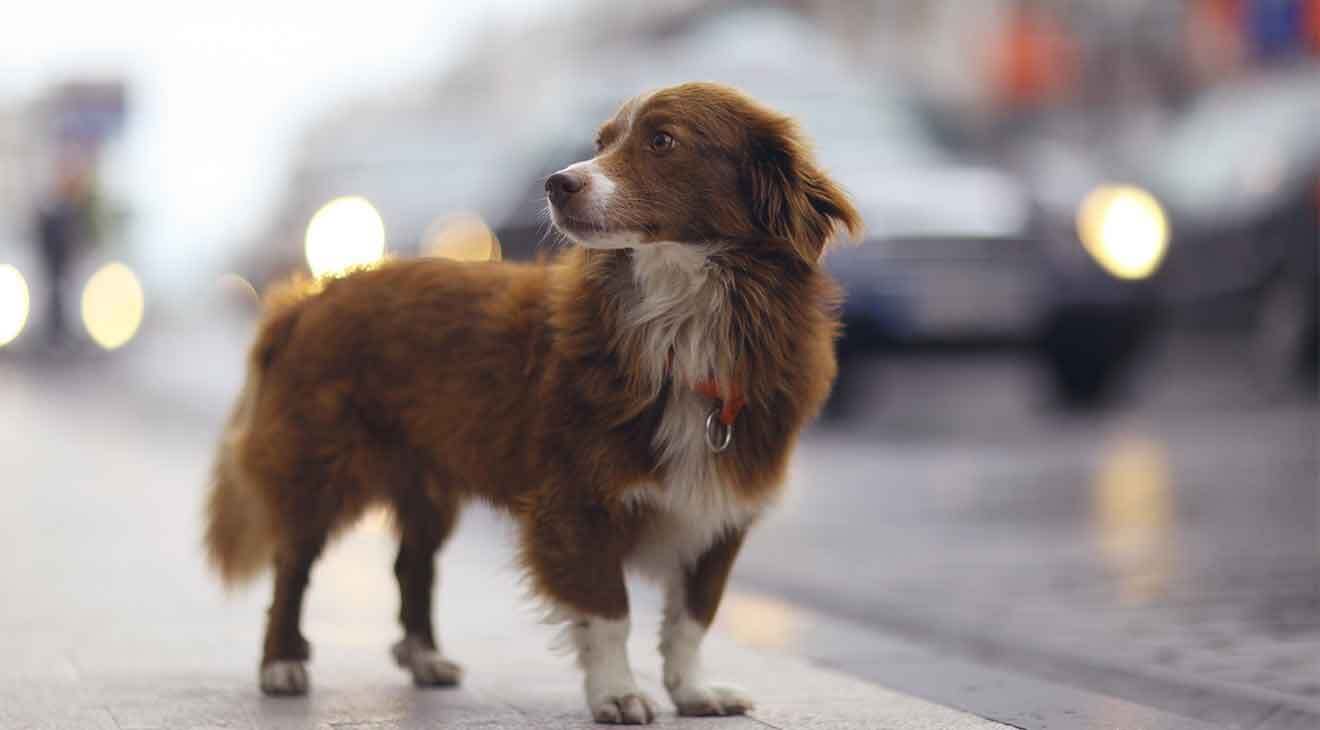
Outfit your dog with a readable dog ID tag or a personalized dog collar displaying a phone number where you can be reached.
Personalization on the collar provides another place for contact information if a hanging tag becomes detached. Check the collar, tag and attachment hardware regularly for wear, and update the information whenever your contact details change.
5. Check gates, doors and fencing.
Before letting your dog into the yard, check that gates are securely latched. Look for gaps beneath fencing, loose boards and objects that could help your dog climb over.
Check again after maintenance workers, deliveries or visitors have been through. Make sure everyone in the household knows which doors and gates must stay closed.
6. Create a barrier around busy doorways.
Small, quiet or quick-moving dogs can slip through an open door before anyone notices. Use a suitable gate or another secure barrier to keep your dog away from an exterior doorway while people enter and leave.
Practice settling on a mat or waiting away from the door, rewarding your dog for staying in their designated spot. Training works best alongside a physical barrier when there is a risk of escape.
7. Choose properly fitted walking equipment.
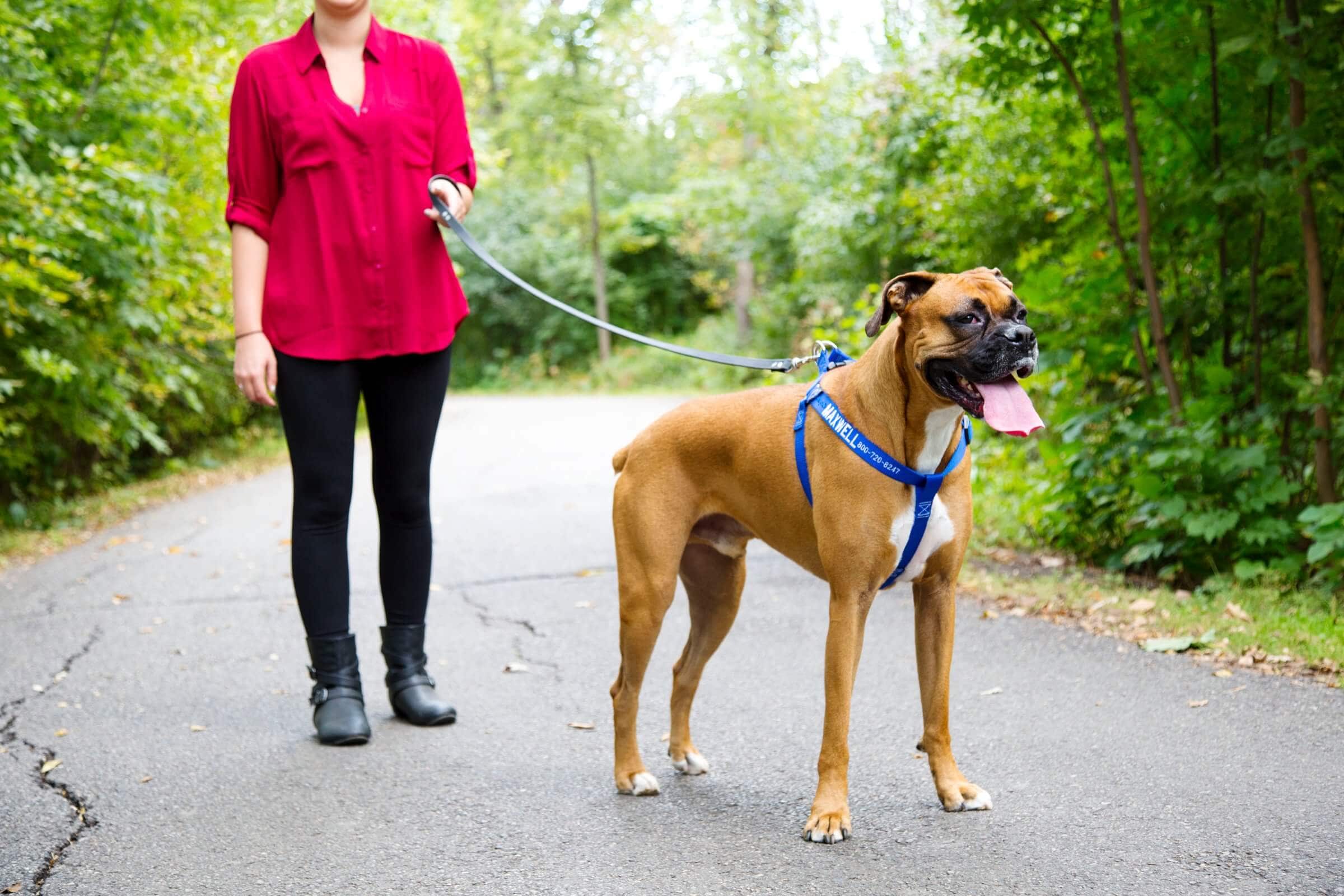
Check that your dog’s collar or harness fits according to the manufacturer’s instructions and cannot easily slip off when your dog backs up. Recheck the fit as your dog grows or their weight changes.
For dogs who have escaped equipment before, ask a qualified reward-based trainer for help selecting and fitting an appropriate option. A properly fitted martingale may suit some dogs, but no collar or harness is escape-proof.
Inspect straps, buckles, clips and leash attachments regularly. A fixed-length four- or six-foot leash is a practical choice for everyday walks where you need to keep your dog close, particularly near traffic and busy areas.
8. Plan ahead for visitors when you are away.
If a cleaner, maintenance worker or other visitor will enter your home while you are away, arrange a secure place for your dog before you leave. Tell the visitor where your dog will be and explain how to avoid an accidental escape.
A crate can be an option if your dog has been gradually introduced to it and is comfortable resting there. Otherwise, a dog-safe room with a securely closed door or another suitable arrangement may work better. Provide appropriate comfort, water and potty breaks, and avoid confinement that causes distress.
9. Provide exercise and enrichment in secure settings.
Give your dog exercise and enrichment suited to their age, health, fitness and preferences. Walks, sniffing, play and short training sessions can all be part of their routine.
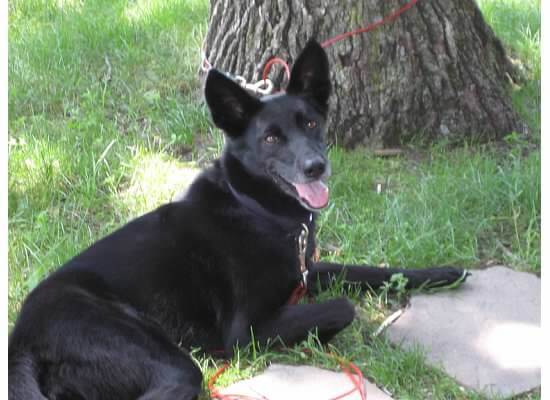
For off-leash play, choose a securely enclosed area. In unenclosed areas, use a leash or an appropriately handled long line and follow local rules. Exercise and recall training do not eliminate the risk of a dog bolting after wildlife or becoming frightened.
For walks in low light, reflective dog collars and other reflective gear can improve visibility when illuminated by headlights or a flashlight. Reflective materials do not produce their own light, so consider suitable lights for you and your dog as well.
What precautions help you keep your dog safe at home and on walks?