

How to Stop a Dog From Whining for Attention
Table of Contents
To stop a dog from whining for attention, first make sure they aren't asking for something they need. Whining can signal a bathroom break, discomfort, fear, excitement, or a desire for company. The right response depends on the reason.
Once your dog's needs are met and you've identified a pattern of attention-seeking whining, you can teach a more effective way to ask for interaction. Reward calm moments, practice an alternative behavior, and provide attention before your dog feels the need to demand it.
Why Do Dogs Whine?
Whining is a form of communication. The sound alone doesn't tell you what's happening, so consider when it starts, your dog's body language, and any changes in their usual behavior.
- Basic needs: Your dog may need to go outside, reach their water, or have a break from an uncomfortable situation.
- Discomfort: New or unusual whining can accompany pain or illness.
- Fear or anxiety: Some dogs vocalize when frightened, separated from their family, or uncomfortable with their surroundings.
- Excitement or frustration: Waiting for a walk, greeting someone, or being unable to reach something can bring out whining.
- Attention: A dog may learn that whining brings conversation, petting, play, or another response.
A dog can have more than one reason for whining. Avoid assuming that every vocalization is an attempt to get their way.
Check Your Dog's Needs Before Ignoring Whining
Before treating whining as a training issue, check the basics. Does your dog need a bathroom break? Is water available? Are they comfortable, and have they had appropriate exercise, rest, and interaction?
Contact your veterinarian if whining is new, unexplained, persistent, or accompanied by changes in appetite, movement, sleep, or bathroom habits. If your dog appears acutely distressed or seriously unwell, seek prompt veterinary care.
Don't withhold a needed bathroom break or leave a frightened dog to cry simply to avoid “rewarding” the sound. Addressing a genuine need comes first.
How to Recognize Attention-Seeking Whining
Look for a repeated pattern rather than relying on one incident. For example, your dog may regularly whine when you stop petting them, then settle after receiving more attention.
That pattern can help you understand what maintains the behavior, but it doesn't rule out other needs. Keeping a short record of when whining happens, what came before it, and how you responded can help you spot patterns.
How to Stop a Dog From Whining for Attention
1. Make Time for Interaction Before the Whining Starts
Build opportunities for walks, sniffing, play, training, and quiet companionship into your dog's day. Choose activities suited to their age, health, and preferences.
If your dog often interrupts your work, try offering a bathroom break and some interaction before you sit down. You can then provide a suitable activity nearby, such as a food puzzle used according to its directions and your dog's supervision needs.
2. Reward Calm Moments You Might Otherwise Miss
It's easy to notice a whining dog and overlook one who is resting quietly. Make a point of occasionally rewarding relaxed behavior with attention, a treat, or an invitation to play.
You don't need to wait for whining to happen first. Rewarding calm behavior throughout the day helps your dog learn which behaviors work.
3. Teach Another Way to Ask
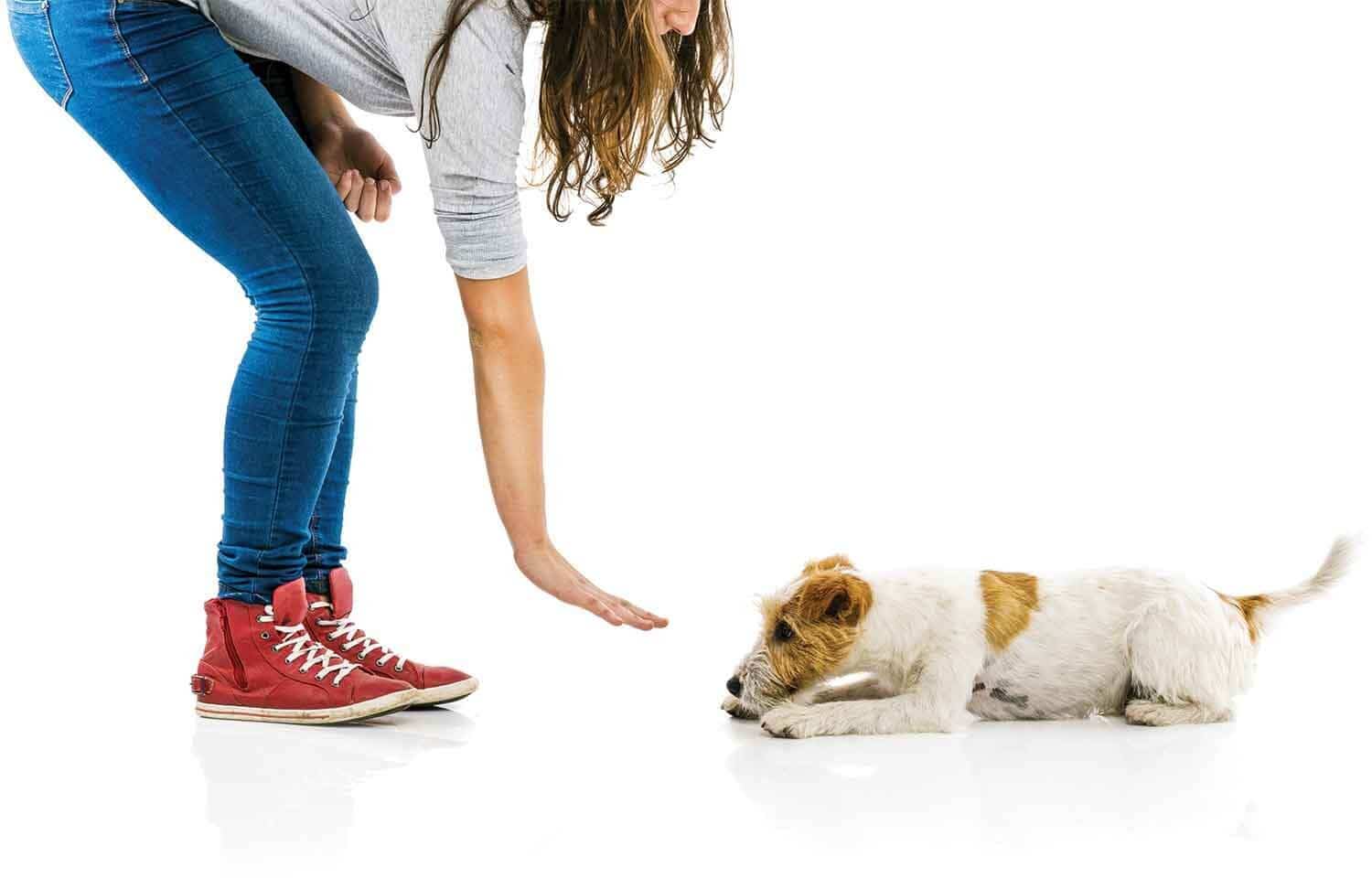
Choose a simple behavior you would welcome instead, such as standing nearby with four paws on the floor, sitting comfortably, or settling on a mat.
Practice when your dog is relaxed and distractions are low. Reward the behavior, then gradually practice in situations where your dog usually asks for attention.
For example, teach your dog to settle on a mat beside your desk before expecting them to do it during a long call. Begin with brief periods and build up gradually.
4. Keep Your Response Consistent
If you've established that the whining is for attention and your dog's needs are met, avoid making the whining itself the reliable trigger for petting, conversation, or play.
Wait for a brief, comfortable pause, then acknowledge your dog or invite a familiar alternative behavior. Keep expectations easy enough for your dog to succeed.
Also reward quiet approaches that happen without whining. Otherwise, you may accidentally teach a sequence of “whine, pause, get attention.”
If the whining continues or escalates, reassess the situation rather than trying to outlast your dog. They may need something, find the task too difficult, or be experiencing distress.
5. Avoid Scolding or Physical Corrections
Yelling, grabbing, or intimidating your dog doesn't explain what you want them to do. For some dogs, even scolding provides the interaction they were seeking; for others, it can add fear or stress.
The American Veterinary Society of Animal Behavior recommends reward-based training. Focus on managing the situation and teaching a behavior you can reward.
What if Your Dog Whines When Left Alone?
Whining during separation needs a different approach from a relaxed dog asking for more petting. Watch for other signs of distress, such as pacing, panting, attempts to escape, or difficulty settling.
Don't use prolonged ignoring or confinement as a blanket solution. A recording of your dog's behavior while alone can help you and a professional understand what is happening.
Ask your veterinarian for guidance if your dog struggles when left alone. A qualified professional who uses reward-based methods can help develop a gradual plan suited to your dog. See VCA Animal Hospitals' information on separation anxiety for more about the condition.
What if Your Dog Whines Before a Walk?
First consider whether they urgently need to go outside. If they do, take them out rather than requiring a prolonged period of silence.
For ordinary excitement during walk preparation, practice picking up the leash and getting ready in small steps. Reward manageable moments of calm, keep the process low-key, and avoid expecting perfect stillness immediately.
A predictable routine and practice can make getting out the door easier without turning every walk into a test.
Frequently Asked Questions About Dog Whining
Should I ignore my dog when they whine?
Only consider withholding attention after checking for basic needs, discomfort, and distress. For confirmed attention-seeking behavior, reward calm approaches and teach another way to ask. Ignoring every kind of whining is not an appropriate plan.
Why is my dog whining while lying down?
The position alone doesn't identify the cause. Your dog could be seeking interaction, feeling unsettled, or experiencing discomfort. New or persistent whining, especially with difficulty getting comfortable or other changes, warrants veterinary advice.
Why is my dog crying for no reason?
The reason may not be obvious to you. Look at the setting, timing, body language, and any recent changes. If you can't explain the behavior or your dog seems unwell, contact your veterinarian.
Will comforting my dog reinforce anxiety?
Giving calm support to a frightened dog is different from rewarding a learned request for play or petting. Help your dog feel safe, reduce the stressor where possible, and seek guidance for recurring anxiety rather than withholding comfort as a general rule.
When should I get professional help?
Start with your veterinarian for unexplained whining, suspected pain, or signs of illness. For persistent attention-seeking or anxiety-related behavior, seek a qualified professional who uses reward-based methods. You don't have to wait until the problem becomes severe.
How can I stop encouraging my dog to whine?
First check whether your dog needs a bathroom break, water, help with discomfort, or reassurance in a frightening situation. For confirmed attention-seeking whining, reward calm approaches throughout the day and teach another way to ask, such as settling on a mat. Avoid making whining the consistent trigger for play or petting. If it continues or escalates, reassess your dog's needs rather than trying to outlast them.
Am I encouraging my dog to continue whining?
Possibly, if whining regularly brings the attention or activity your dog wants. But whining can also signal pain, fear, excitement, or a genuine need. Responding to those needs is appropriate. Look for patterns, reward calm behavior before whining starts, and contact your veterinarian if the whining is new, persistent, or unexplained.
The goal is to understand what your dog is communicating and help them succeed. Meet genuine needs, notice calm behavior, and make your training expectations clear and achievable.
All Natural Peanut Butter & Blueberry Dog Treats
$12.00
Healthy, Human-Grade Rewards for Your Best Friend Give your dog the "zoomies" when you break out these treats! Our dogIDs All Natural Peanut Butter &… read more
Out of Stock