
January is Walk Your Dog Month
Table of Contents
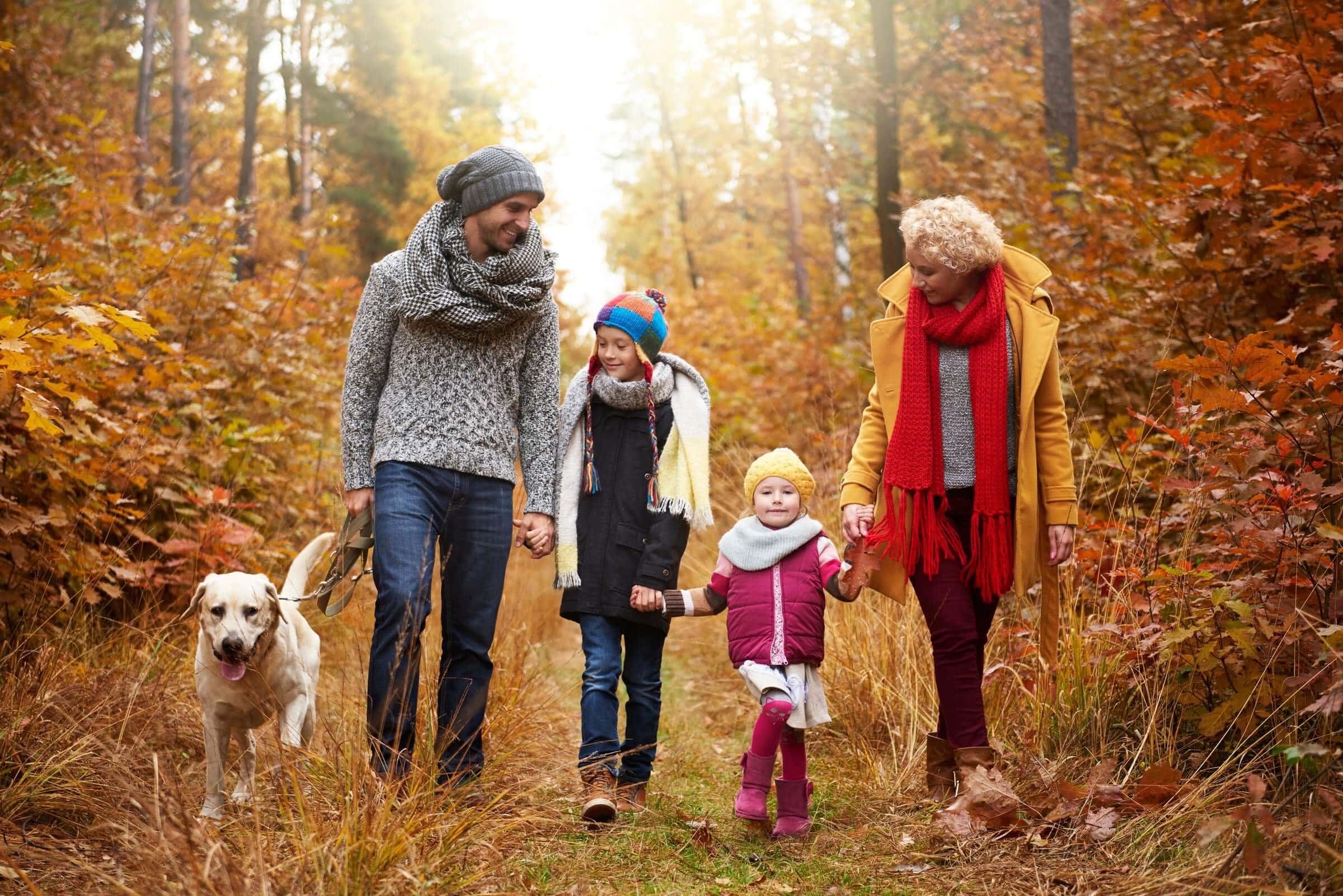
January is Walk Your Dog Month, making it a great time to enjoy more walks with your furry best friend or start a habit you can carry through the year. Even if you have a large yard, walks offer opportunities to sniff, explore and spend time together. They can also help your dog become comfortable in different environments at their own pace, without needing to greet every person or dog you pass.
Choose Comfortable Walking Gear
Start with a dog leash that feels comfortable in your hand and suits your surroundings. Leather, nylon and rope leashes offer different textures and handling options. A waterproof leash can be especially convenient for rain, snow and muddy adventures. A fixed-length leash is a practical choice for everyday walks, giving you control while leaving room for your dog to move comfortably.

A properly fitted dog harness can help keep leash pressure away from your dog’s throat. Check that it allows comfortable movement and cannot easily slip off. Equipment can help you manage a walk, but teaching loose-leash skills takes patience and practice.

For dogs who can back out of a regular collar, a properly fitted martingale collar may help prevent escape. Fit and adjustment matter: the collar should not choke your dog when tightened to its intended limit. Use it under supervision, avoid leash jerks, and remove it during unattended rest or play where it could catch on something.

Reward Loose-Leash Walking
Practice in a quiet place where your dog can concentrate. Reward them with praise or small training treats when the leash is loose or they choose to check in with you. If they pull, pause calmly and resume when the leash becomes loose again. Keep practice sessions short and give your dog plenty of chances to succeed.
Your dog does not need to walk in a strict heel or maintain constant eye contact throughout the outing. Leave room for comfortable movement and sniffing, while keeping enough distance from traffic, other dogs and anything that worries them. If pulling makes walks difficult or unsafe, a qualified trainer who uses reward-based methods can help.
Pack the Walking Essentials
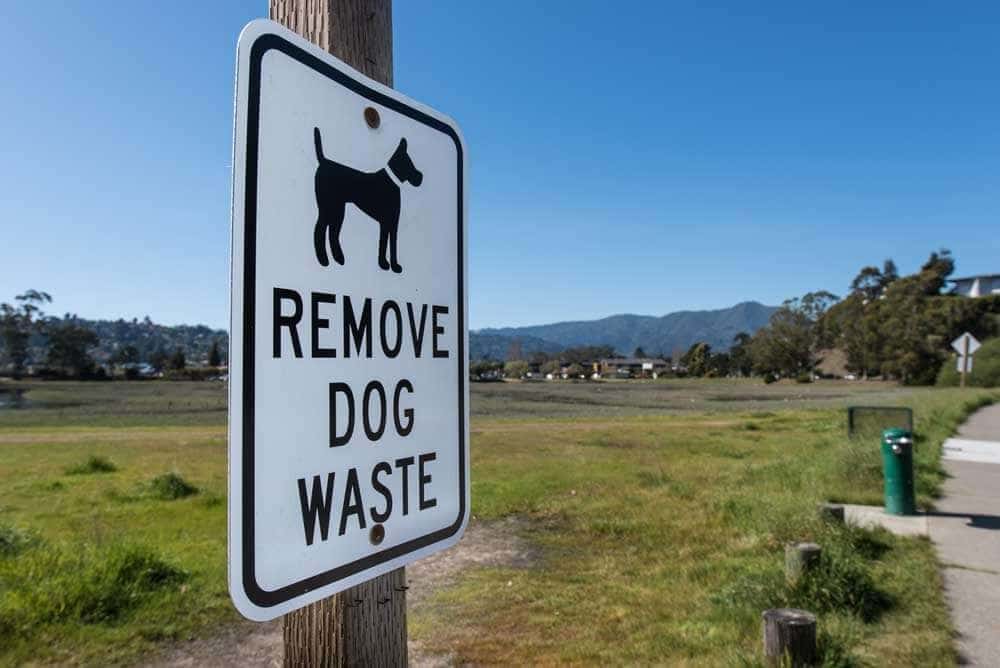
Bring waste bags, drinking water and a portable water bowl, especially for longer outings or warmer weather. Make sure your dog’s collar or harness fits securely and their ID tag has current contact information.
For winter walks, watch for slippery surfaces, road salt and ice collecting around your dog’s paws. Check and wipe their paws after the walk. Choose routes and walking times that suit the conditions, and use reflective gear and a light when visibility is poor.
Make Room for Sniffing and Exploring
A walk can be more than getting from one place to another. Give your dog time to investigate safe smells and enjoy their surroundings. You might try a quiet new route or walk with a familiar friend if your dog enjoys the company.
New places and busy dog parks are not comfortable for every dog. A familiar route with plenty of sniffing stops can be just as rewarding. Let your dog’s comfort guide your plans, and give other people and animals space.
Follow Your Dog’s Pace
Pay attention to your dog’s capabilities so you don’t push them beyond their limits. Choose a comfortable pace and distance, allow sniffing breaks, and adjust the walk to your dog’s age, health and energy level.
If your dog slows down, repeatedly stops, limps or seems uncomfortable, shorten the outing. Heavy panting or difficulty keeping up is a reason to stop and assess the situation rather than encourage them to push through. Talk with your veterinarian about new changes in exercise tolerance or concerns about an appropriate walking routine.
Shorter, enjoyable walks can be a better fit than one long outing. The goal is time together that leaves your walking partner comfortable and ready to rest.
Let’s start the year with more opportunities to get outside, explore and enjoy life with our dogs!
What makes a walk especially enjoyable for you and your dog?