
Dog Dock Jumping: How to Join the Fun
Table of Contents

Dock jumping combines swimming, retrieving and teamwork. For dogs who enjoy the water, it can be a rewarding activity to share with their people. Some teams participate casually, while others travel to organized competitions.
In this article, we revisit interviews from our 2013 coverage of dock-jumping teams, including participants at the Midwest Waterfowl Festival in Fargo, North Dakota. Their stories show what makes the sport special. The beginner guidance below emphasizes voluntary participation, water confidence and safe preparation.
Why Pet Parents Love Dock Jumping
Steve, Willow and Rayne: Team Southern Charm
When we spoke with Steve Mize of Atlanta, Georgia, he had been participating in dock jumping since 2009. His team, Team Southern Charm, traveled to competitions around the southeastern United States and had attended a world championship event in Iowa.
Steve’s chocolate Labrador Willow and black Labrador Rayne both enjoyed the sport. What began as a fun activity together became another way to strengthen their bond.
Steve enjoyed the competitive side, too, but the dogs’ enjoyment came first.
“It’s got to be fun for them and it’s got to fit with their personality,” he said.
Terry, Keith, Dixie and Daisy: A Family Activity
Terry Birkeland and his son Keith trained Dixie and Daisy together for dock jumping and duck hunting. The two dogs made their competition debut at the Midwest Waterfowl Festival in Fargo in July 2013.
“They’re sisters so they’ve got to do everything in pairs, if one tries to jump farther than the other one then they both try,” Terry said. “So it works out good that way.”
For Terry and Keith, training provided an activity they could enjoy together while spending time with their dogs.

Cierra and Oreo: Growing Together
Another team at the 2013 festival was 12-year-old Cierra and her 3-year-old dog Oreo. They arrived with matching manicures and experience from practicing together the previous summer.
“I just love seeing how good she gets every year and I love seeing how much fun she has,” Cierra said.
Their story captured an important part of the sport: progress can mean building confidence and enjoying time together, regardless of the final distance.
How Do Dock-Jumping Competitions Work?
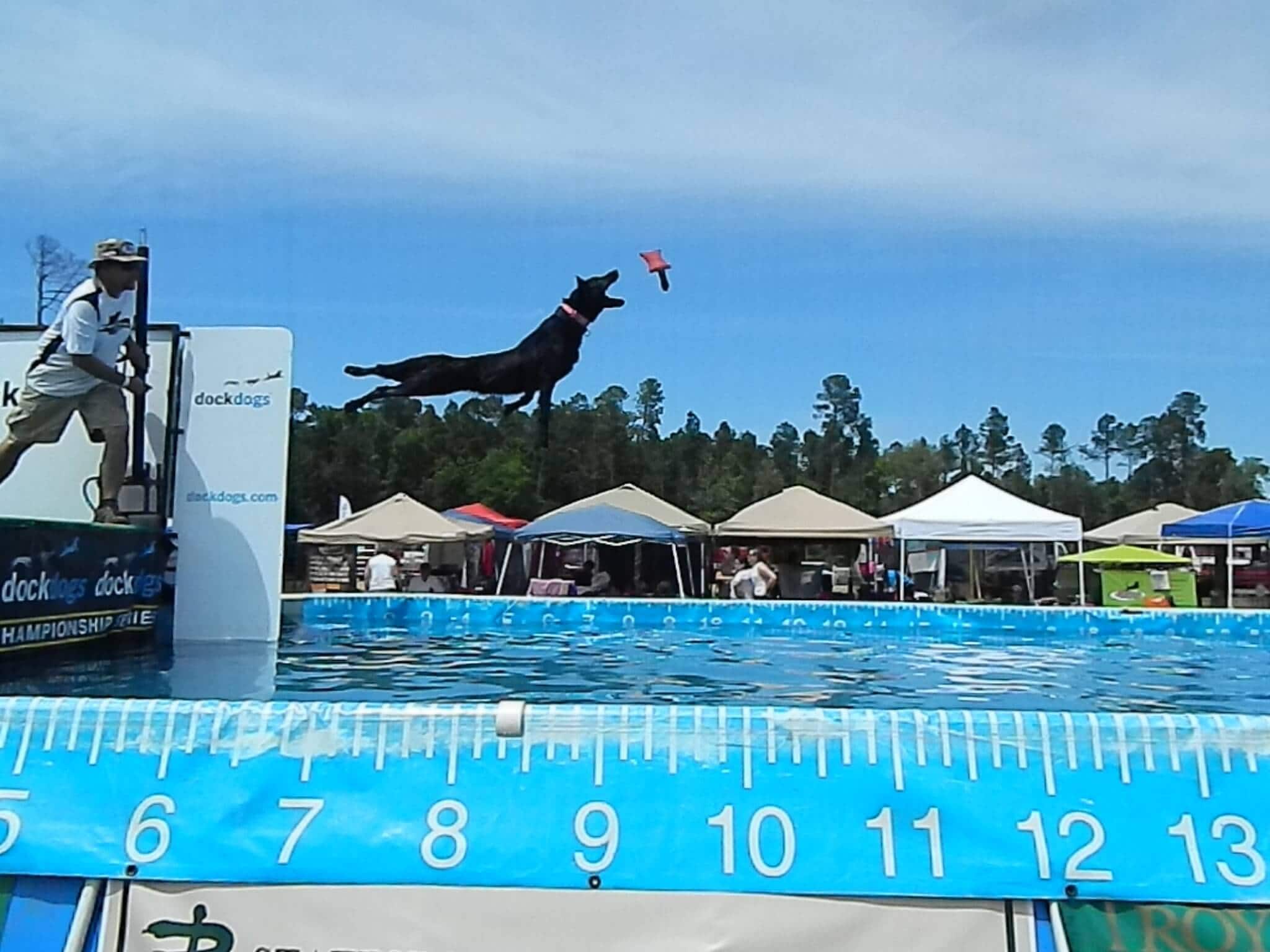
In a distance event, a dog voluntarily runs along a dock and jumps into a pool, often following a thrown toy. Other events may test height or the speed at which a dog retrieves an object.
Event names, scoring, eligibility and equipment rules vary by organization. Before registering, check the organizer’s current requirements for your dog’s age, permitted toys, collars, leashes, vaccination documentation and supervision of junior handlers.
Meeting an event’s minimum age requirement does not automatically mean a dog is physically ready for the activity. Ask your veterinarian about your dog’s health, development and suitability before beginning a demanding sport.
Is Dock Jumping Right for Your Dog?
A good starting point is a dog who enjoys swimming and retrieving. However, enthusiasm for a toy does not necessarily mean a dog will enjoy jumping from a dock.
Watch your dog’s comfort throughout the process. Hesitation, attempts to leave or reluctance to enter the water are reasons to pause and make the activity easier—not to push ahead.
One of Steve’s dogs, Jax, did not compete. Steve chose not to pressure him into jumping. Instead, Jax attended events and enjoyed meeting people while wearing a dogIDs collar personalized with the Team Southern Charm logo.
Dogs can enjoy being part of an outing without participating in the sport itself.
How to Get Started Safely
1. Find a Beginner-Friendly Facility or Instructor
A supervised introductory session at a dock-diving facility is a practical way to begin. Ask how the instructor introduces swimming, teaches the pool exit and helps hesitant dogs build confidence.
Choose an instructor who uses gradual, reward-based methods and allows your dog to opt out. Never push, pull or throw a dog into the water, or encourage them to fall from a dock.
2. Build Water Confidence Before Jumping
Begin where your dog can enter and leave the water easily. Let them investigate at their own pace, with close supervision and plenty of opportunities to rest.
A properly fitted canine life jacket can provide added support during swimming practice. It does not replace supervision or swimming instruction. Ask the instructor about appropriate equipment for practice and any restrictions during competition.
If practicing in natural water, check local advisories and avoid unsafe conditions, including strong currents, suspected harmful algae, submerged obstacles and boat traffic. An unfamiliar dock is not a suitable place to test a beginner’s jumping ability.
3. Teach the Exit First
Before any jumping, help your dog learn where the pool’s exit ramp or steps are and how to use them. Practice entering and exiting calmly under the instructor’s guidance.
Your dog should be able to find and use the exit confidently. Repeat this introduction whenever you visit an unfamiliar pool.
4. Introduce Retrieving and Jumping Gradually
Use a floating toy suited to your dog’s mouth size and the facility’s rules. Start with easy retrieves and keep the sessions short.
Once your dog swims comfortably and understands the exit, an instructor can help introduce an appropriate starting platform and throwing technique. Progress should depend on your dog’s confidence and physical readiness.
Never restrain a hesitant dog at the edge or use the toy to pressure them into a jump they are not ready to make.
5. Make Rest Part of Training
Swimming and jumping are tiring activities. Offer frequent breaks, fresh drinking water and a comfortable place to rest.
Stop if your dog seems tired, uncomfortable, unusually breathless or less coordinated. Do not keep throwing the toy simply because your dog remains eager to retrieve it.
Terry emphasized patience when discussing training with us.
“Patience is the key virtue in any training of the dog,” he said.
Attending Your First Event

Consider watching an event before entering, or ask whether the organizer offers beginner practice sessions. This gives you a chance to see the setup, ask questions and decide whether your dog would be comfortable in the environment.
Organizations such as North America Diving Dogs publish information about facilities, events and participation requirements. Confirm details directly with the host before traveling.
At the venue, follow the organizer’s leash and containment rules. Give other dogs space and keep your dog supervised between turns.
During our original Fargo coverage, dogIDs provided a personalized collar with the event logo for a winning dog. Supporting teams and hearing their stories was part of what made the event memorable for us.
What to Bring
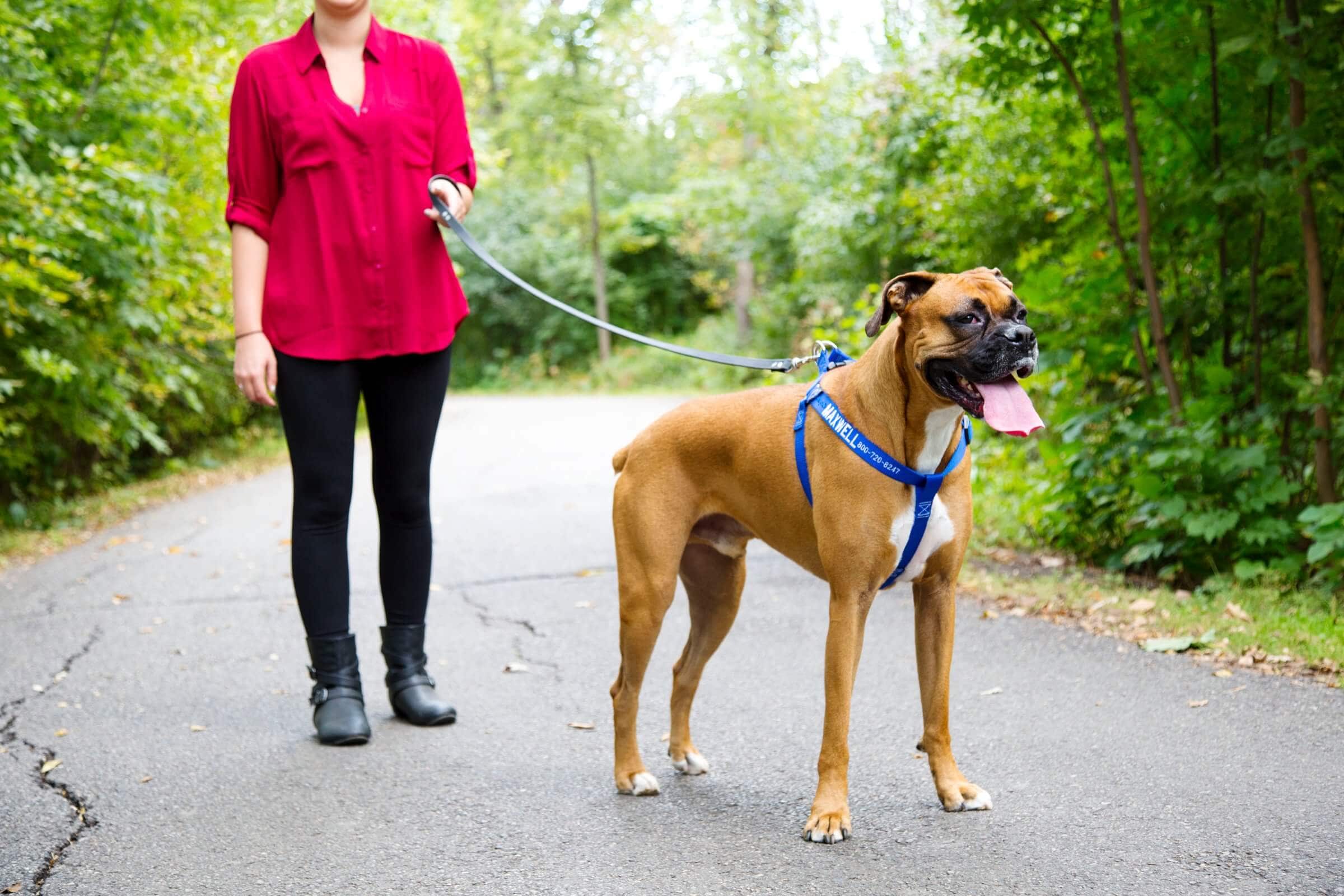
- A suitable leash and properly fitted collar or harness for moving around the venue
- Readable identification with a current phone number
- A permitted floating retrieval toy
- Fresh drinking water and a water bowl
- Towels and a comfortable resting mat
- Waste bags and any required paperwork
- A crate or other approved resting arrangement that your dog is comfortable using
- Shade or weather protection appropriate for the venue
Check the event’s rules before bringing equipment onto the dock. Remove hanging accessories or change equipment when required by the organizer.
Waterproof Gear for Water-Loving Dogs
Steve told us that Willow wore a dogIDs waterproof collar during dock jumping. He valued equipment that could handle repeated wet-and-dry outings while remaining comfortable.
For your own adventures, explore our waterproof dog collars and ScruffTag collars. Choose the correct fit, inspect the buckle and leash attachment regularly, and follow the product’s care instructions.
Waterproof equipment is useful around water, but it does not replace safe handling, supervision or the venue’s equipment requirements.
Have you tried dock jumping with your dog? We’d love to hear what they enjoyed and how you got started.