
Decompression Dog Walks and Scent Dog Walks
Table of Contents
Does your dog enjoy stopping to investigate every patch of grass? Sniffing gives dogs opportunities to gather information about their surroundings, explore and engage their minds.
Making room for that exploration can add variety to your walks together. It complements physical activity rather than replacing it: the right balance depends on your dog’s age, health, fitness and preferences.
Here are two ways to give your dog more choice on walks while keeping safety and comfort in mind.
What Is a Decompression Walk?
A decompression walk gives your dog room to move, sniff and explore at their own pace in a suitable outdoor setting. Instead of focusing on distance or a particular walking position, you allow more choice about where to pause and what to investigate.
A quiet environment with plenty of space can make this easier. What feels relaxing to one dog may feel overwhelming to another, so choose the location according to your companion’s needs.

How to Plan a Decompression Walk
Look for a dog-friendly location where you can maintain a comfortable distance from traffic, wildlife, livestock, other dogs and people. Check access rules and leash requirements before visiting. Sports fields, cemeteries and other open spaces may prohibit dogs or have restrictions.
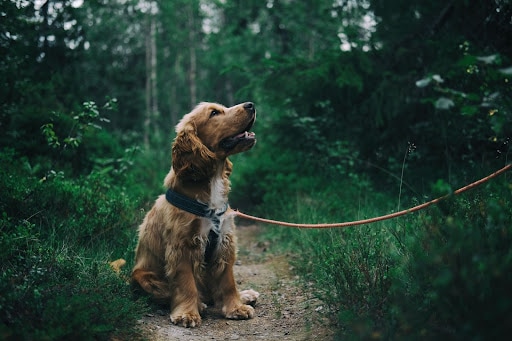
A supervised long line attached to a well-fitted harness can provide more freedom where the terrain and local rules allow. Keep the line clear of legs, obstacles and other trail users, and avoid letting your dog build up speed before reaching its end.
Off-leash exploration should be limited to places where it is permitted and safe for your particular dog. Reliable recall is useful, but it cannot eliminate every risk. A secure, dog-friendly fenced area may be a better choice.
Let your dog choose among safe options: sniff a patch of grass, pause to listen or take a different permitted path. Give other animals and people space, and shorten the line before they come within reach.
What Is a Scent Walk?
A scent walk—or sniff walk—puts exploration at the center of an everyday outing. You do not need a remote trail: a quiet neighborhood route or dog-friendly green space can offer plenty to investigate.
You still guide the walk and maintain safe boundaries, but allow your dog more opportunities to stop and sniff rather than moving past every interesting scent.

How to Try a Scent Walk
Use a comfortable, well-fitted collar or harness and a leash suited to the setting. On sidewalks and near roads, keep enough control to prevent your dog from stepping into traffic or approaching others unexpectedly.
Allow time to investigate safe spots along the route. You might cover less distance than usual, and that is fine when exploration is the goal.
Offer choices where practical, such as which direction to take at a quiet junction. Keep your dog away from discarded food, potentially harmful substances, wildlife and areas where you do not have permission to enter.
Sniffing does not require greeting other dogs or people. Ask before any interaction and respect a declined greeting by giving space.
Adapt the Walk to Your Dog
Neither type of walk needs to follow a fixed timetable. Start with a manageable outing and adjust according to your dog’s comfort, energy and interest.
Some dogs enjoy a new route; others feel more comfortable exploring familiar surroundings. You can also combine a sniffing section with ordinary walking or a few brief, reward-based training exercises.
Bring water as needed, account for the weather and allow breaks. Slow down, head home or seek veterinary advice if your dog seems uncomfortable, unusually tired or reluctant to move.
Keep Expectations Realistic
Sniffing and exploration can provide enjoyable enrichment, and some dogs may appear more settled afterward. They are not guaranteed treatments for anxiety or reactivity.
If your dog becomes tense, repeatedly scans the surroundings, lunges or cannot comfortably disengage from a distraction, increase distance or choose a quieter location. Do not push through an overwhelming outing in the hope that it will become relaxing.
For persistent fear or reactivity, consult your veterinarian and a qualified reward-based behavior professional for an individual plan.
The aim is a walk your dog can enjoy safely. Sometimes that means a new trail, and sometimes it means taking a little longer to sniff a familiar patch of grass.
Does your dog have a favorite place to stop and sniff on your walks?