

Living With a Deaf Dog: What to Expect
Table of Contents
Deaf dogs can be loving companions, and getting to know their individual personalities is just as important as understanding their hearing needs. Consistent communication, thoughtful introductions and a safe environment can help you build a rewarding life together.
We spoke with Christina Lee, co-founder of Deaf Dogs Rock, about her experience adopting and training deaf dogs. The excerpts below come from our original interview. References to her dogs describe that time, rather than a current update.
What Is It Like to Live With a Deaf Dog?
Christina described adapting familiar training methods to communicate in ways her dogs could understand:
“The training is also very much the same with the exception of a few tweaks in our training program.”
Deafness is one part of a dog’s life. Age, personality, health, previous experiences and preferences all influence the care and support they need. A deaf dog may enjoy walks, play, training and companionship much like a hearing dog, with adjustments to communication and safety.
What Should You Consider Before Adoption?
Ask the shelter, rescue or foster family about the dog’s routines, familiar hand signals, comfort with handling, interactions with other animals and any known health needs. Find out what helps them settle and what situations they find difficult.
Christina emphasized the commitment involved:
“If they are thinking of adopting a deaf dog there is a certain level of time commitment, responsibility and advocacy that comes along with adopting a deaf dog.”
That commitment includes helping other people understand how to interact with your dog. Everyone in the household should use consistent cues and follow the same safety routines.
Deafness alone does not tell you whether a dog will be an easy or challenging fit for your home, or whether they have other medical needs. Discuss their health with your veterinarian and plan introductions and training around the individual dog.
Use Visual Cues and Reward-Based Training
Christina starts by teaching her dogs to look toward her:
“The dog must be looking at you to get a sign command so we start with "watch me" training and do it often. All of my deaf dogs are conditioned to watch me.”
Hand signals can take the place of spoken cues. A visual marker, such as a thumbs-up, can tell your dog exactly which behavior earned a reward, serving a similar purpose to an audible clicker.
Christina explained her approach:
“We give the dog a "sign command", lure the dog into place with a high-value treat, and to mark the correct behavior with an open three finger flash of the hand or a thumbs up sign (instead of the sound of a clicker). Then we repeat, repeat, repeat.”
Begin in a quiet place with few distractions. Pair your chosen visual marker with a reward so your dog learns what it means. Keep sessions short, reward voluntary check-ins and make sure your dog can see a signal before expecting a response.
Your dog does not need to watch you constantly. Give them time to sniff, explore and rest, and practice attention skills in manageable steps. If you need help, look for a qualified trainer who uses reward-based methods and has experience with deaf dogs.
Make Greetings Comfortable and Optional
Christina’s dogs had different preferences around people. Nitro enjoyed meeting people, while Bud was more reserved, particularly around children. Her advice was to ask before greeting either a deaf or hearing dog.
“With a deaf dog folks should never sneak up from behind and always ask to pet.”
Ask the dog’s person how to approach, then give the dog a choice about interacting. Approach where they can see you, avoid crowding or reaching over them, and allow them to move away. Permission from a person does not mean the dog wants attention.
Keep children’s interactions calm and actively supervised. A dog who prefers to observe from a distance does not need to be encouraged into a greeting.
Plan for Everyday Safety
A deaf dog cannot rely on hearing your call, approaching traffic or someone entering a room. A few practical routines can help:
- Use a securely fitted harness or collar and a leash outside securely enclosed areas. A trained visual recall does not replace physical safeguards.
- Check fences and gates regularly, and make sure visitors know to close them securely.
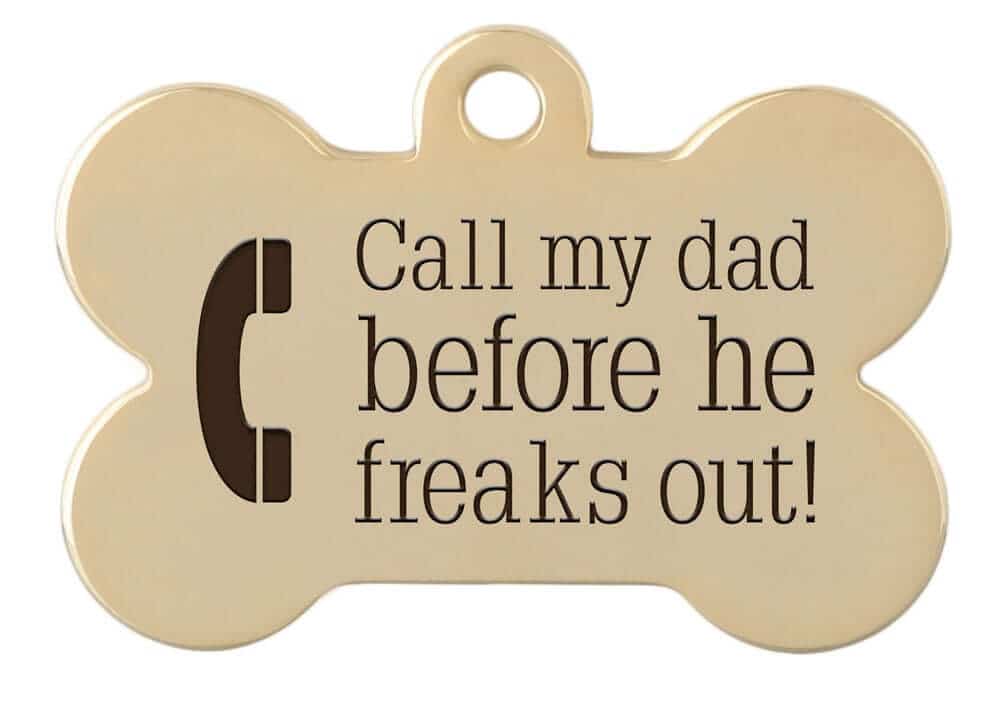
- Keep a visible ID tag with current contact information on your dog. Noting that your dog is deaf may also help someone understand why they do not respond to a voice.
- Keep microchip registration details current as an additional form of identification.
- Give your dog a comfortable resting place where people and other animals will not unexpectedly disturb them.
- Avoid grabbing or startling a resting dog. Work with a qualified trainer on a gentle, predictable way to get their attention, introducing it positively while they are awake first.
- Explain your dog’s communication and handling preferences to sitters, groomers and veterinary staff.
If your dog’s hearing appears to change, arrange a veterinary assessment rather than assuming it is simply age-related. Your veterinarian can help assess the cause and any accompanying health concerns.
For more practical guidance, see Dogs Trust’s advice on living with a deaf or blind dog.
Support for Life With a Deaf Dog
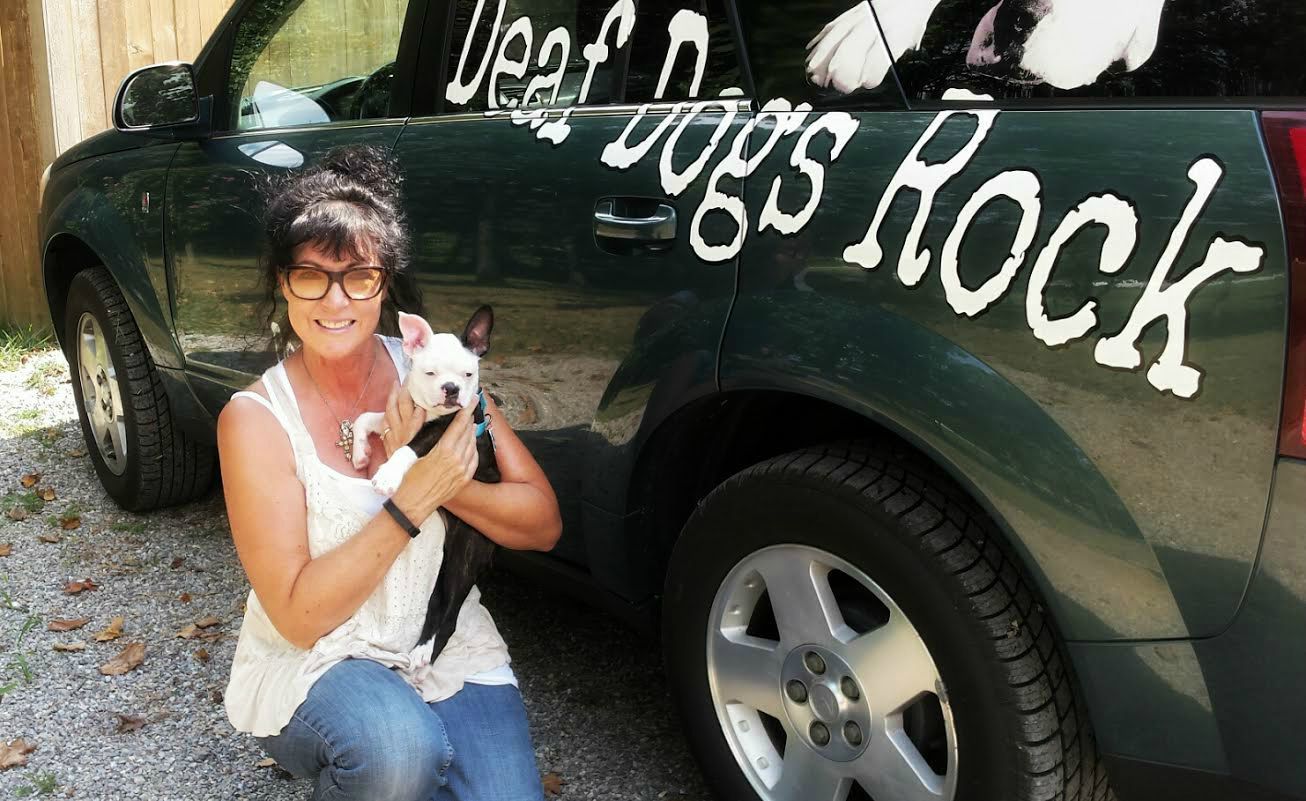
Christina and her husband, Chris Lee, launched Deaf Dogs Rock in 2011. The organization shares adoption listings, educational resources and stories about life with deaf dogs.
Christina’s enthusiasm for her companions came through clearly in our interview:
“To most of us deaf dog owners we keep adopting deaf dogs because we think they rock!”
Visit Deaf Dogs Rock to explore its resources and learn more about adopting and supporting deaf dogs.
With patient communication, appropriate support and attention to their individual needs, a deaf dog can be a wonderful companion.