
3 Reasons to Choose a Flat Collar vs Rolled Collar
Table of Contents
Is a Flat Collar or Rolled Collar Better for My Dog?
Choosing the right dog collar for your furry friend can feel daunting. With so many options available, it’s easy to get overwhelmed by the choices and conflicting opinions. Collars are more than just accessories—they’re essential tools for training, control, and identification. Each type serves a specific purpose, from martingale collars to harnesses and even head halters. However, two of the most popular choices among dog owners are flat collars and rolled collars.
At first glance, both seem like practical options, but understanding their differences is key to making the best choice for your furry friend. Rolled collars are often marketed as the ideal choice for dogs with long coats, with claims of preventing matting and reducing fur damage. Flat collars, on the other hand, are known for their versatility, comfort, and everyday functionality.
While rolled dog collars may have certain advantages, closer inspection reveals significant drawbacks, particularly regarding safety and health. Flat collars, by contrast, are designed to distribute pressure evenly, making them a safer and more practical option for everyday use.
The Myth About Rolled Dog Collars and Coat Care
Rolled collars have long been marketed as the ideal choice for long-haired breeds, with the promise that their rounded design prevents matting and reduces damage to the dog’s coat. This belief is so widespread that many dog owners instinctively gravitate toward rolled collars, thinking they are safeguarding their furry companion’s appearance and comfort. But is this perception backed by reality? Surprisingly, the answer is no.
While the intention behind rolled collars might seem logical—minimizing the flat pressure a collar places on the fur—their design can exacerbate coat damage. Rolled collars concentrate their contact on a smaller surface area of the neck. This concentrated pressure can lead to localized matting, particularly in active dogs whose collars shift during walks and play. In some cases, the friction caused by the narrow, rounded design of rolled collars can result in tangling or fur breakage, counterproductive to their claimed benefit.
Matting isn’t solely the result of the collar type but is also influenced by a lack of proper grooming and maintenance. Fur mats can develop from external factors such as dirt, debris, and moisture trapped under the collar, creating the perfect environment for tangles. This issue is not exclusive to rolled collars but becomes more pronounced due to their design.
Fortunately, there are practical ways to prevent matting, regardless of collar choice. Regular grooming is key, especially for long-haired breeds. Brushing your dog’s coat at least once a week and more frequently during shedding seasons can help prevent tangles from forming. After outdoor activities, checking for leaves, grass, or other debris that might have lodged in your dog’s fur near the collar area is a good habit. These can quickly turn into knots if not removed promptly.
Bathing your dog regularly is another essential practice. Although bathing alone won’t eliminate tangles or mats, it removes dirt and debris that might contribute to fur damage over time. Using a high-quality conditioner can help keep the coat smooth and less prone to tangling. When mats or knots appear, it’s important to address them immediately by carefully cutting them out or working through them with a detangling brush to prevent further tightening.
Another effective preventative measure is removing the collar when your dog is at home. Giving your dog’s neck fur time to breathe and relax helps avoid the formation of flat spots and reduces the risk of matting caused by prolonged collar wear. This practice also ensures that any trapped moisture under the collar is given time to evaporate, especially for dogs with dense or long fur.
Flat collars, in contrast to rolled collars, are designed to distribute pressure more evenly across the neck. This wider surface area minimizes localized friction, which can help prevent the formation of mats and tangles. They are also less likely to rotate excessively on the neck, reducing the chances of fur getting caught and tangled. While they still require regular grooming practices to keep the coat healthy, their design offers a more practical and safer alternative for everyday use.
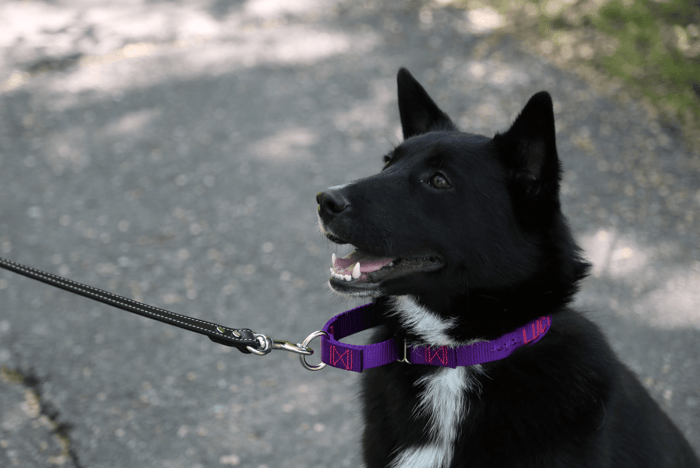 Rolled Collars Pose a Greater Risk to the Dog’s Windpipe
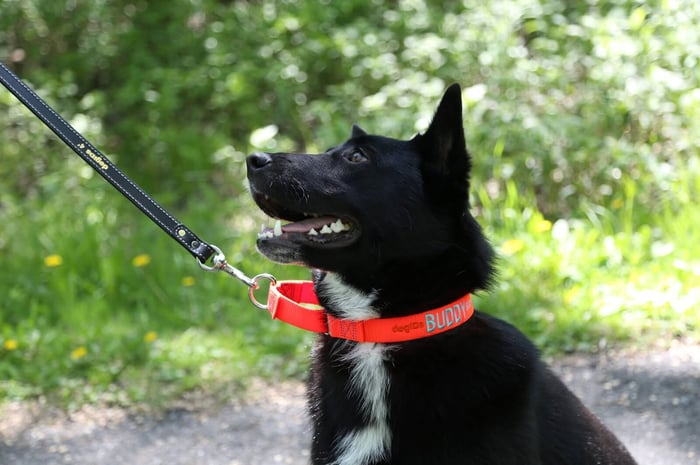
With their sleek, narrow design, rolled collars may seem stylish and functional for dog owners. However, their thin construction poses a significant risk to the dog's trachea or windpipe, especially for those who pull on their leash. Unlike flat collars, which distribute pressure evenly across the dog’s neck, rolled collars concentrate pressure in a smaller area. This concentrated force can compress the trachea, potentially causing discomfort, coughing, or long-term damage.
Due to their delicate anatomy, puppies and small breeds are at greater risk. Puppies, in particular, are more prone to pulling on their leashes as they explore their environment, making them vulnerable to tracheal injury. A rolled collar, being thinner and stiffer, can exacerbate this issue, leading to coughing fits or damage to the soft tissues around the neck.
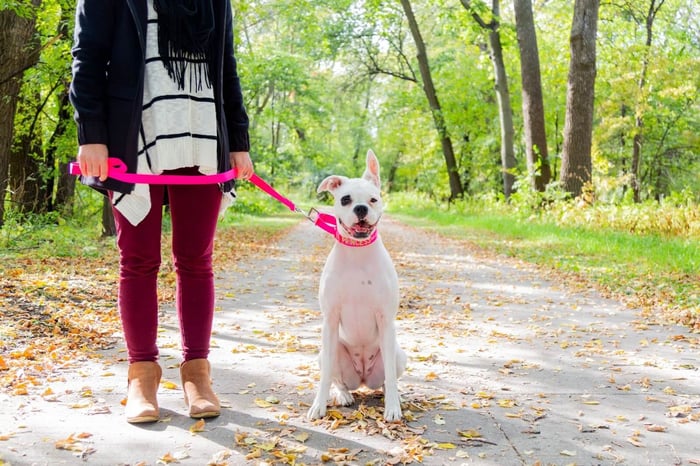
In contrast, flat collars offer a broader surface area that evenly distributes pressure across the dog's neck, reducing the likelihood of injury. They provide a safer alternative for active dogs or those prone to pulling. The even pressure prevents immediate harm and ensures greater comfort for the dog during walks or training sessions.
Consider a scenario where a dog lunges unexpectedly, chasing after a squirrel or reacting to a sudden noise. Due to its narrow design, a rolled collar could exert excessive pressure on the trachea, causing immediate discomfort or damage. On the other hand, a flat dog collar, with its wider band, would mitigate this impact by spreading the pressure evenly, minimizing harm.
Due to their safety and practicality, the American Veterinary Medical Association (AVMA) and numerous dog trainers recommend flat dog collars for everyday use. While rolled collars may appeal for aesthetic reasons, their anatomical risks make them less suitable for most dogs. A collar made with flat strap ensures your dog stays comfortable and safe, even during unexpected leash tension.
Rolled Collars Can Exacerbate Eye Conditions
Scientific research has revealed that rolled collars can pose risks beyond the neck, particularly affecting the eyes. A study by the Journal of the American Animal Hospital Association 2006 highlights how the pressure exerted by rolled collars can raise intraocular pressure (IOP) in dogs. This increase is particularly concerning for dogs with pre-existing eye conditions such as glaucoma, thin corneas, or other pressure-sensitive disorders.
Dogs with glaucoma already suffer from elevated eye pressure, which can lead to pain and vision loss if unmanaged. Pulling on a rolled collar intensifies the pressure in the eyes, worsening the progression of the disease. Similarly, dogs with thin corneas or other ocular sensitivities risk exacerbating their conditions due to the localized strain of rolled collars placed on their necks.
The design of rolled collars is a significant factor in this issue. Their narrow, rigid structure creates a smaller contact area, which amplifies pressure when the dog pulls or lunges. This force travels up the neck and indirectly impacts the ocular system, intensifying any underlying eye problems.
In contrast, flat dog collars provide a safer alternative by evenly distributing pressure across a broader surface. This even distribution minimizes strain on the neck and reduces the risk of increased IOP, making collars made with flat strap a more suitable choice for dogs prone to eye conditions.
The American Kennel Club (AKC) does not recommend rolling collars, especially for dogs with eye sensitivities. Their guidelines emphasize the importance of prioritizing a dog’s overall health and safety when selecting a collar. For dogs with a history of ocular issues, flat dog collars paired with gentle leash training can significantly reduce the risks associated with leash tension.
Dog owners often underestimate how something as simple as a collar can impact their pet’s health. By choosing a flat strap collars over a rolled style collars, you can protect your dog from unnecessary harm while ensuring their comfort and well-being.
Additional Benefits of Flat Dog Collars
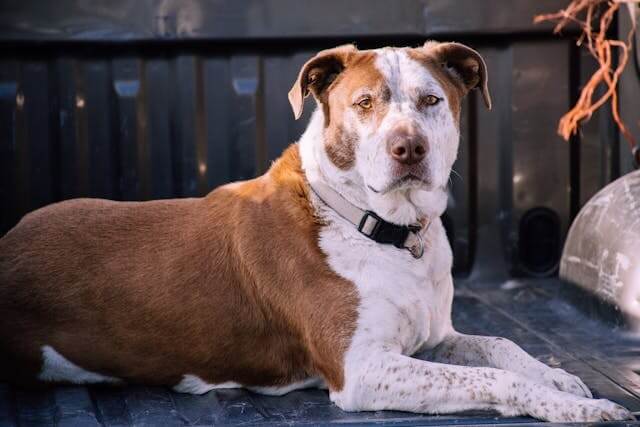
Flat collars offer numerous advantages, making them the preferred choice for many dog owners. One key benefit is their durability, especially from leather or sturdy nylon materials. These collars can withstand everyday wear and tear, ensuring they last longer, even with active dogs. Their adjustability is another significant advantage, particularly for growing puppies. As your dog grows, you can easily resize a flat collar to maintain a proper fit, avoiding the need for frequent replacements.
Flat collars often include practical features like a D-ring, a secure point for attaching tags, or a leash. These features are essential for ensuring your dog’s identification and contact information are readily accessible in case it gets lost.
Additionally, flat collars are versatile, coming in various materials, colors, and designs. This allows pet owners to choose a collar that aligns with their dog's personality or preferences, blending functionality with style. Reflective options are also available, providing added safety during nighttime walks. With their practicality and aesthetic appeal, collars made with flat strap strike a perfect balance between utility and appearance, making them a reliable choice for everyday use.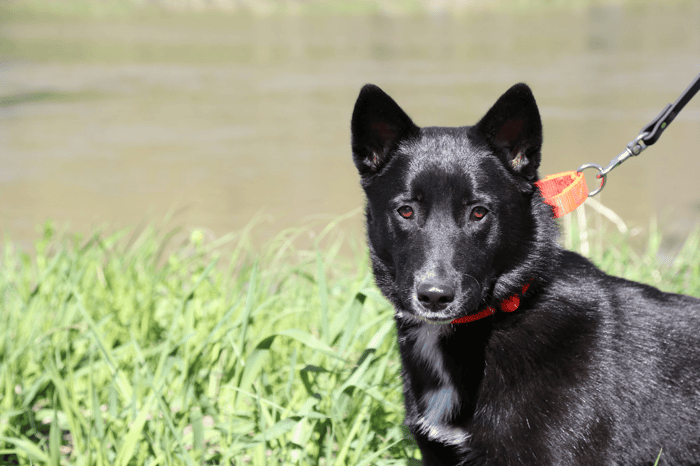
How to Choose the Right Flat Collar for Your Dog
Choosing the perfect flat dog collar involves considering your dog’s neck size, breed, and activity level. Opt for materials like leather for durability or nylon for a lightweight, budget-friendly option. Measure your dog’s neck to ensure the collar fits snugly without being too tight; leave enough space to fit two fingers between the collar and your dog’s neck. Look for features like quick-release buckles for convenience and reflective strips for visibility during nighttime walks. Select a collar with a sturdy D-ring to attach tags or leashes for added functionality. A well-chosen flat collar ensures your dog’s comfort, safety, and style.
When selecting a collar, prioritize your dog’s comfort and safety. An adequately fitted flat collar made from high-quality materials ensures your dog can enjoy their walks without discomfort or risk of injury. Remove the collar at home to prevent fur flattening, and regularly check for signs of wear or irritation.
Ultimately, flat dog collars offer a reliable, stylish, and secure option for everyday use. By choosing a dog collar made with flat strap, you prioritize your dog’s well-being and ensure it looks its best while staying safe.
FAQs
Can flat collars cause fur damage?
While flat collars can occasionally lead to fur flattening or matting, this is typically less severe than the damage caused by rolled collars. To minimize risks, brush your dog’s fur regularly and remove the collar when unused. This helps prevent fur matting and allows the skin to breathe.
Are rolled collars better for specific breeds?
Rolled collars are often marketed for long-haired breeds because they prevent coat matting. However, they can exacerbate coat damage and pose additional risks to the trachea and eyes. Flat collars are a safer and more practical option for all breeds, provided proper care is taken.
How do I know if a collar is harming my dog?
Signs of harm include fur loss, redness, or irritation around the neck. It may be too tight or poorly designed if your dog coughs, gags, or is uncomfortable wearing the collar. Switching to a well-fitted flat collar can resolve these issues and enhance your dog’s comfort.
Are flat collars suitable for puppies?
Flat collars are ideal for puppies because they are adjustable and allow room for growth. Be sure to choose lightweight materials and check the fit regularly to ensure it isn’t too tight as your puppy grows.
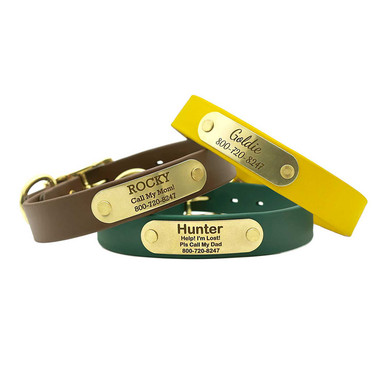
Personalized Waterproof Standard NamePlate Collar with Brass Hardware
$34.00
Personalize Your Pup with an Odor-Proof Waterproof Name Plate Collar Our Waterproof NamePlate Collars will have your pup looking his best with these earthy colors....… read more
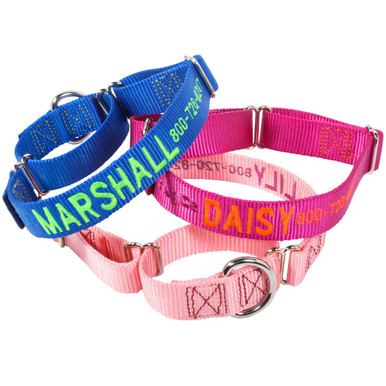
Custom Embroidered Nylon Martingale Collar
$29.00
Custom Embroidered Nylon Martingale Collars There is nothing better than getting home after a long day at work and throwing on your favorite pair of...… read more
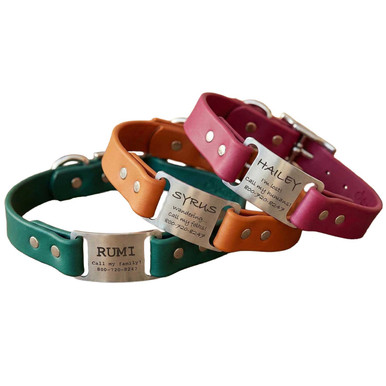
Personalized Waterproof ScruffTag Collar
$39.00
The Ultimate "Go-Anywhere" Silent ID Dog Collar Mud, lake water, salt water, pool water, rain, or snow—Our custom engraved Waterproof ScruffTag Personalized Dog Collar is built...… read more
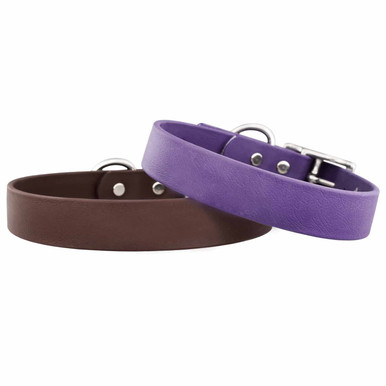
Waterproof Standard Collar
$24.00
Waterproof, Stink-Proof and Easy to Clean Dog Collar Don’t let this collar’s look fool you. It may come in 16 bright colors, one of which...… read more
Personalized Waterproof ScruffTag Collar with Quick Release Buckle

$34.00
Waterproof ScruffTag Personalized Dog Collar with Quick Release Buckle The Quick Release Waterproof ScruffTag Collar is the lightest weight option in our ScruffTag collar line, and it...… read more