
What to Know About Grabbing a Dog by the Scruff
Table of Contents
Should you grab a dog by the scruff? For everyday handling and training, avoid grabbing, shaking, or lifting your dog by the loose skin behind their neck. Instead, use gentle handling, appropriate equipment, and reward-based training.
The scruff is also where our ScruffTag collars get their name. But placing identification on the back of a dog's neck is very different from using that skin to restrain or discipline them. Here's what dog owners should know.
What Is a Dog's Scruff?
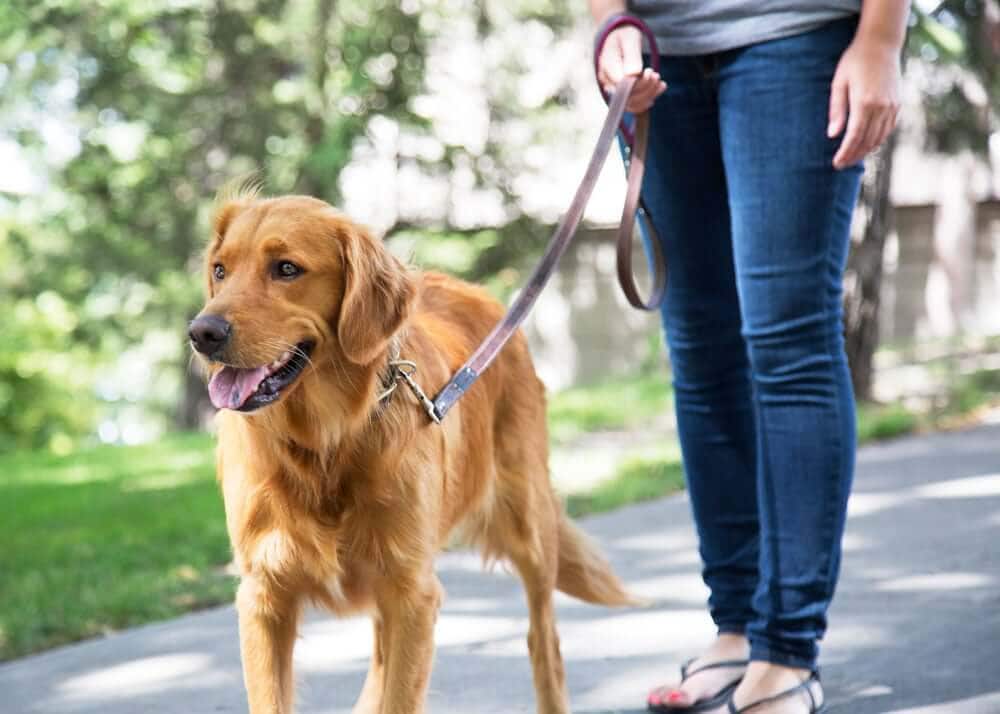
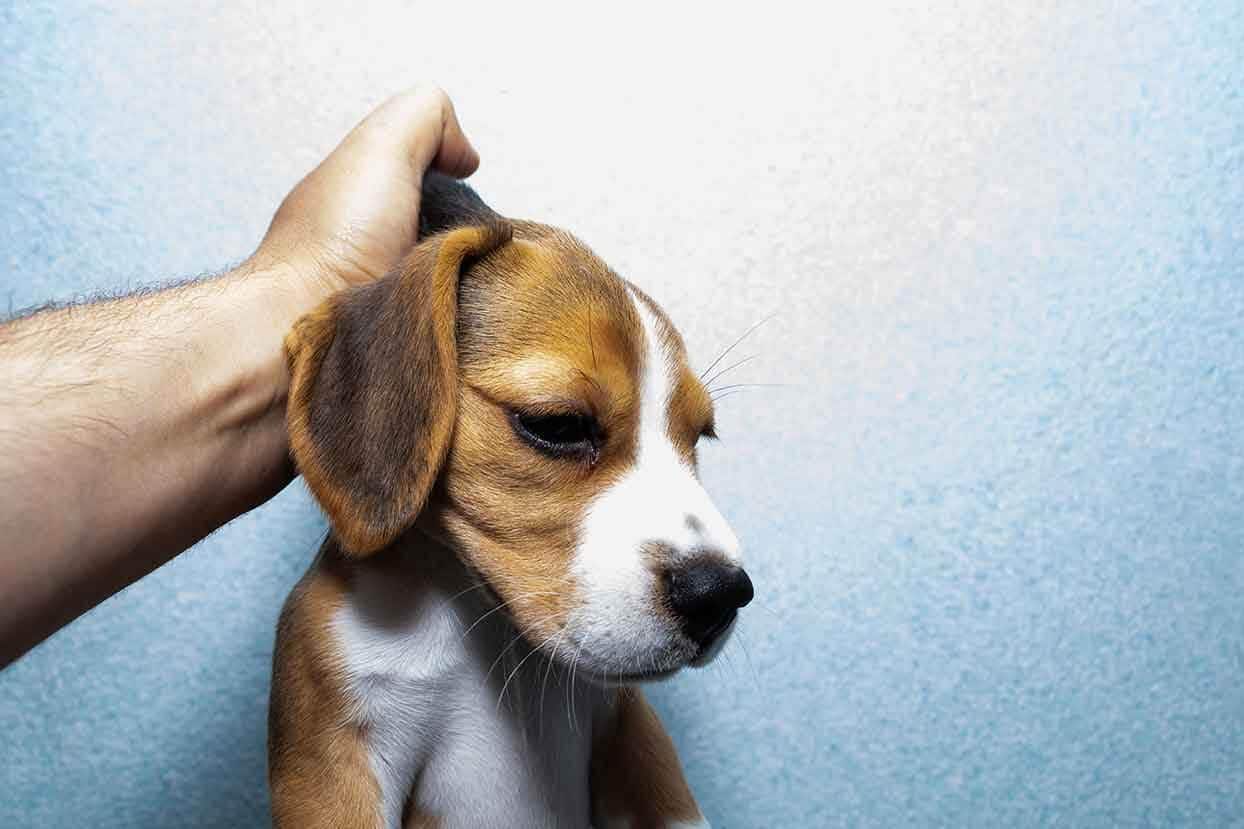
The scruff is the loose skin at the back of a dog's neck, near the shoulders. How much loose skin a dog has varies with their build.
Loose skin isn't a handle. It doesn't mean a dog can comfortably be lifted by it or that grabbing it is an appropriate way to teach behavior.
Should You Pick Up a Dog by the Scruff?
No. Don't lift a puppy or adult dog by the scruff. Their body needs support when you pick them up.
For a small dog who is comfortable being lifted, support the chest and hindquarters rather than suspending the dog by their neck, legs, or collar. If your dog is large, injured, painful, or uncomfortable being picked up, ask your veterinarian to demonstrate an appropriate handling method.
You may have seen a mother dog carrying a very young puppy in her mouth. That observation isn't a reason for people to lift puppies by their scruff or copy the behavior as a training technique.
Is Grabbing a Dog by the Scruff a Good Training Method?
We don't recommend scruff grabbing or shaking as a correction. Adding a stern stare or saying “no” doesn't make physical intimidation a better teaching method.
The American Veterinary Society of Animal Behavior recommends reward-based training for all dogs. Its guidance warns against physical punishment and training based on establishing dominance over your dog.
VCA Animal Hospitals' puppy-training guidance also discusses scruff shakes and other confrontational methods, recommending reward-based training and gradual, positive handling instead.
A dog becoming still after being grabbed doesn't necessarily mean they understand what you want or are comfortable with the interaction. Focus on teaching a behavior your dog can successfully perform and rewarding it.
What Can You Do Instead of Grabbing the Scruff?
The best approach depends on what you're trying to accomplish. Moving your dog away from the door, teaching polite greetings, and helping a frightened dog require different plans.
- Manage the situation. Use a gate, closed door, or appropriately fitted harness and leash to help prevent an unwanted behavior while you work on training.
- Teach an alternative. Practice coming when called, going to a mat, or keeping four paws on the floor in an easy setting before expecting those skills around distractions.
- Reward the behavior you want. Food, play, and access to something your dog enjoys can help make that behavior worth repeating.
- Make the task easier when needed. If your dog can't respond, reduce distractions or create more distance rather than escalating physical corrections.
If your dog growls, snaps, freezes, or tries to escape when you reach toward them, stop the interaction and give them space. Ask your veterinarian about possible pain or handling sensitivity, and seek help from a qualified professional who uses reward-based methods.
Helping Your Dog Feel Comfortable With Handling
Being comfortable with gentle touch and having equipment put on can make everyday care easier. Start in a quiet setting and work in small steps your dog can comfortably tolerate.
For example, you might briefly touch the shoulder, give a treat, and remove your hand. Gradually build toward the handling needed for putting on a collar or harness. Keep sessions short, and pause if your dog becomes uncomfortable.
The goal is for your dog to feel comfortable with ordinary care. It isn't to teach them to tolerate being grabbed or shaken.
Why Are They Called ScruffTag Collars?
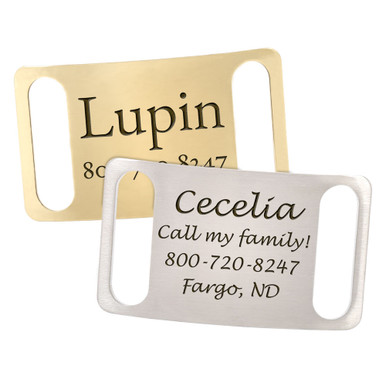
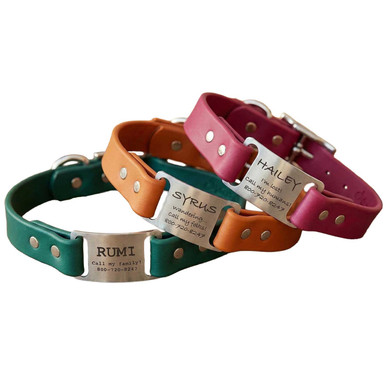
Our ScruffTag collars are named for the location of the personalized identification: on the back of the dog's neck, near the scruff.
That placement can make your contact information easier to see from above or behind your dog. The built-in nameplate also provides identification without a hanging tag jingling against other tags.

A ScruffTag collar is for identification and ordinary collar use. Its name doesn't refer to grabbing the dog by the scruff, and the collar should never be used to lift or suspend a dog.
Choose a collar width and size appropriate for your dog, follow our sizing guidance, and periodically check both the fit and the readability of your contact information.
Frequently Asked Questions About a Dog's Scruff
Does grabbing a dog's scruff hurt?
It can cause pain or distress, particularly when force, shaking, or lifting is involved. Don't assume that loose skin makes the area insensitive or that a quiet dog is comfortable.
Should you scruff a puppy for biting?
No. Avoid scruff shaking or other physical corrections. Redirect appropriate play toward a toy, pause the interaction when needed, and reward the behavior you want. Ask a reward-based trainer for help if you're struggling with puppy biting.
Is scruff shaking the same as what a mother dog does?
Observing interactions between a mother and her puppies doesn't establish that humans should imitate them. Veterinary behavior guidance recommends teaching dogs through reward-based methods rather than scruff shakes or dominance-based corrections.
Is a ScruffTag collar a training collar?
The ScruffTag name describes where the personalized nameplate sits. It isn't a scruff-grabbing or shaking technique. Explore our ScruffTag collar options to find an identification collar suited to your dog's size and everyday activities.
Why does my dog yelp when grabbed by the scruff?
Yelping can signal pain, fear, or surprise. Stop grabbing the scruff and give your dog space rather than repeating the action to test their response. Avoid scruff grabbing, shaking, or lifting as handling or training methods. If your dog remains uncomfortable or reacts painfully to gentle touch, contact your veterinarian.
Why does the hair on my dog's scruff stand up sometimes?
Raised hair along the neck, shoulders, or back is commonly called raised hackles. It indicates heightened emotional arousal, which can occur in different situations—not just aggression. Look at your dog's whole body and surroundings, including posture, facial expression, and movement. If your dog appears tense or uncomfortable, calmly give them more space.
Personalized Waterproof ScruffTag Collar
$39.00
The Ultimate "Go-Anywhere" Silent ID Dog Collar Mud, lake water, salt water, pool water, rain, or snow—Our custom engraved Waterproof ScruffTag Personalized Dog Collar is built… read more
Nylon ScruffTag Personalized Dog Collar
$34.00
Nylon ScruffTag Personalized Dog Collar - Silky Smooth, Silent, Safe and Secure The Nylon ScruffTag Collar keeps your dog known and safely home with its… read more

ScruffTag Custom Slide-On Dog Collar Name Plate
$15.00
ScruffTag Slide-On Dog Collar Name Plate Your dog’s well-being is a top priority, and that makes having a reliable personalized dog tag an essential. The… read more